

Is It Time to Upsize Your Austin Home?
The walls in your home can feel like they are closing in over time. That corner that once worked as a home office is now also a playroom and a guest room. If this sounds familiar, you may be wondering whether upsizing in the Austin area is the right next move for your family.
Upsizing is less about chasing square footage and more about finding a home that fits the way you actually live. In this guide, you will learn when it makes sense to upsize, what it really costs, where to look in the Austin area, and how to move up without stretching your budget too far.
Who Typically Upsizes in Austin?
Several types of homeowners decide that a larger home in Austin is worth considering. If you see yourself in one of these situations, you might be ready for a move-up home:
- Growing families: You need extra bedrooms, a second living area, or a yard where everyone can spread out. Our guides to family-friendly Austin neighborhoods can also help you narrow the search.
- Remote workers and entrepreneurs: You need a true home office, not just a corner of the bedroom or kitchen table.
- Multigenerational households: Parents, grandparents, and adult children sharing a home can benefit from separate suites, additional bathrooms, and more privacy.
- Active older adults: You may want a home with better accessibility, a low-maintenance yard, and amenities that support the lifestyle you want for the next decade.
How to Know If You Are Ready to Upsize
Before you start browsing listings, it helps to separate a stressful week from a long-term reality. These are common signs that your current home is no longer working for your daily life.
Signs Your Family Has Outgrown Your Space
- Storage feels impossible. Closets, cabinets, and the garage overflow, and you have to move several boxes just to reach what you need.
- No quiet space. With kids, pets, and remote work, there is nowhere to take a call or focus without interruptions.
- Traffic jams at home. Mornings are a fight for the bathroom, and people constantly bump into each other in narrow hallways or the kitchen.
- Hosting is stressful. You want to have friends or family over, but your current layout makes entertaining feel chaotic instead of fun.
These are more than small annoyances. They are signals that the size or layout of your home no longer supports your day-to-day routine.
Lifestyle Changes That Can Push You Toward a Bigger Home
Your life also changes faster than your house can. Common triggers for upsizing include:
- A new baby or blending families under one roof.
- An older parent or relative moving in.
- A permanent or long-term shift to working from home.
- A new job in Austin that makes a dedicated office or shorter commute more important.
Austin’s job market, from tech and healthcare to creative industries, has drawn many people who started in “starter homes” or condos. Over time, the need for space, privacy, and flexibility often grows faster than expected.

The Financial Side of Upsizing in Austin
Once you are sure you need more space, the next question is whether you can upsize without putting too much pressure on your budget. Moving into a larger home is more than swapping one mortgage for another. You are taking on a new purchase price, different taxes, and new responsibilities.
Researchers at the Harvard Joint Center for Housing Studies have highlighted that rising property taxes, insurance, and utilities are a growing part of homeowner budgets in many markets, including fast-growing metros like Austin.
Clarifying Your Budget for a Larger Home
Start by estimating how much equity you have built in your current home. That equity often becomes a major part of the down payment on your next property. From there, factor in:
- Closing costs and fees. You will not keep all of your sale proceeds. You will pay off the existing mortgage, cover closing costs, and pay for brokerage services.
- Property taxes. According to the Texas Comptroller of Public Accounts, local entities set their own tax rates based on your property’s appraised value. Larger or higher-value homes usually mean a higher annual tax bill.
- Utilities and energy use. More square footage means more space to heat and cool. The U.S. Department of Energy notes that basic efficiency upgrades can make a home more comfortable and easier to heat and cool while lowering energy costs.
- Ongoing maintenance. A bigger yard and more rooms require more time and money for repairs, lawn care, and routine upkeep.
Homeowners on forums such as Reddit and long-running personal finance communities often report that the most surprising parts of upsizing are double housing costs during overlap and the expense of furnishing the new space.
Cost of Upsizing in Austin: Quick Snapshot
Moving & Storage
What it covers: Movers, packing materials, short-term storage if dates do not line up.
What to expect: Varies by distance and volume of belongings. Plan for this as a separate line item instead of assuming it is minor.
Temporary or Double Housing
What it covers: Short-term rentals or a period of overlapping mortgages or rent.
What to expect: Even one or two months of overlap can be a meaningful extra cost if you do not account for it in advance.
New Furniture & Window Treatments
What it covers: Filling extra rooms, larger rugs, blinds, and curtains for more windows.
What to expect: It is common to underestimate this part of the budget. Consider spreading these purchases over time.
Repairs & Prep on Your Current Home
What it covers: Paint, deep cleaning, minor repairs, curb appeal upgrades, and light staging.
What to expect: Focused cosmetic projects often have more impact than full renovations when you are preparing to sell.
Closing Costs & Prepaid Items
What it covers: Loan fees, title costs, and prepaid taxes and insurance on the new home.
What to expect: These can be several percent of the purchase price. A local lender can give you a realistic estimate for your price range.
Ongoing Monthly Housing Costs
What it covers: Mortgage, taxes, insurance, HOA dues, utilities, and maintenance.
What to expect: Look at the total monthly picture, not just the new mortgage payment.
If you want a deeper dive into affordability in the current market, you can also review our guide on how to afford a home in Austin or learn more about different mortgage types before you start shopping.
Is Now a Good Time to Upsize in Austin?
Austin has seen strong growth, changing interest rates, and shifting inventory levels over the last several years. Depending on when you read this, you may see more opportunities in certain price points or neighborhoods than in others.
Instead of trying to time the market perfectly, focus on whether a larger home fits your long-term plans and whether today’s prices and rates align with a payment that still leaves room for savings and future repairs.
For a broader perspective on whether it still makes sense to buy here, you can explore our article on whether buying a house in Austin is still worth it.
Should You Sell First or Buy First?
This is one of the biggest decisions for move-up buyers. There is no single correct answer. It depends on your finances, your risk tolerance, and what is happening in your part of the Austin market.
Sell First
Pros:
- Clear picture of your net proceeds and budget.
- No long-term risk of carrying two mortgages.
Cons:
- May need temporary housing between closings.
- Moving twice can be more disruptive.
Best for: Buyers who want financial certainty and are comfortable with a short transition period.
Buy First
Pros:
- Move on your own schedule.
- Can prepare and show your old home while you are already out.
Cons:
- Period of double housing costs.
- More pressure if your current home takes longer to sell.
Best for: Buyers with strong financial cushions who find a specific home they do not want to miss.
In some situations, a simultaneous closing may make sense, where both homes close on the same day. This can reduce overlap but requires careful coordination with your lender, buyer, and seller. Our guide to concurrent closings and how to buy before selling in Austin and our complete Austin home selling checklist can help you understand these timelines in more detail.

Mistakes to Avoid When Upsizing Your Austin Home
Learning from other homeowners’ experiences can help you avoid costly surprises. Here are common mistakes move-up buyers encounter and practical ways to reduce risk.
- Looking at homes before running the numbers. It is easy to fall in love with a property that does not fit your budget. Talk to a lender first so you know your realistic price range and monthly payment.
- Focusing only on the mortgage payment. Property taxes, insurance, HOA dues, utilities, and maintenance all add to the monthly picture. Build your budget around total housing costs, not just the principal and interest payment.
- Over-improving your current home before listing. Major renovations can be hard to recoup. Focus on paint, cleaning, and curb appeal rather than full remodels right before you sell.
- Underestimating commute and school changes. A larger home that dramatically increases drive times or school changes may feel less like an upgrade once daily life sets in.
- Skipping a backup plan. It helps to have a plan if your old home takes longer to sell than expected or if the first offer falls through.
If you are buying in a community with a homeowners association, our Austin HOA guide is a useful resource to understand fees, rules, and how HOAs can affect your budget and lifestyle.
Where to Find a Larger Home in the Austin Area
The Austin area offers a wide range of communities for move-up buyers, from suburban master-planned neighborhoods with big backyards to areas closer to the city that still offer more space than you may have today.
Suburbs with Room to Grow
If you prioritize schools, community amenities, and yard space, the suburbs around Austin can be a great starting point:
- Round Rock: Known for strong schools, parks, and community feel. Neighborhoods such as Teravista offer larger homes with amenities including pools and golf courses.
- Cedar Park and Leander: Fast-growing areas northwest of Austin, with newer construction, access to parks, and reasonable commutes into the city. The northwest of Austin also offers a mix of established and newer neighborhoods, and the MetroRail can simplify some downtown commutes.
- Lakeway and Lake Travis area: A fit if you enjoy water access and Hill Country views and are comfortable with higher price points. Many homes offer generous outdoor living space and access to the lake.
- Dripping Springs: Larger lots and a more rural feel while still being close enough for regular trips into Austin. It is a good choice if you want room to roam and a more rustic lifestyle.
Many families relocating into these areas also explore our guide to moving to Austin with kids for more detail on schools and family-friendly amenities.
Finding More Space Closer to the City
If you want more space but prefer to stay closer to central Austin, you still have options:
- West Austin and Barton Creek: Established neighborhoods with mature trees, access to green spaces, and a mix of larger homes and remodeled properties.
- Circle C Ranch (Southwest Austin): A master-planned community with spacious homes, community pools, trails, and highly regarded schools.
- Steiner Ranch: Located between Lake Austin and Lake Travis, with multiple community centers, pools, and access to outdoor recreation.
- North and Central Austin pockets: In select areas, you can find larger single-family homes, townhomes, or loft-style properties that provide more space without moving far from the city core. Even neighborhoods like Hyde Park and East Austin sometimes have larger homes or rare large apartments and loft spaces.
If you are earlier in your career and want to stay close to restaurants, nightlife, and offices, our guide to the best Austin neighborhoods for young professionals can help you compare central neighborhoods. If you love to walk and minimize driving, explore our list of walkable neighborhoods in Austin.
If you are relocating to Austin and upsizing at the same time, you may also find our guide to relocating to Austin helpful for a broader view of jobs, costs, and neighborhoods.
Getting Your Current Home Ready to Sell
Once you have a rough plan for upsizing, the next step is preparing your current home for the market. You do not need to completely rebuild your house. Focused, cosmetic updates and a deep clean can make a meaningful difference.
Smart Upgrades That Add Value
Think like a buyer seeing your home for the first time. They are focused on layout, light, and livability. Simple projects can help highlight those strengths:
- Fresh, neutral paint to make rooms feel brighter and more cohesive.
- Updated fixtures such as lighting, cabinet hardware, and faucets in key spaces.
- Curb appeal improvements like landscaping, mulch, and a clear, welcoming entry.
The U.S. Department of Energy notes that simple efficiency upgrades can also improve comfort and operating costs, which is something buyers increasingly pay attention to.
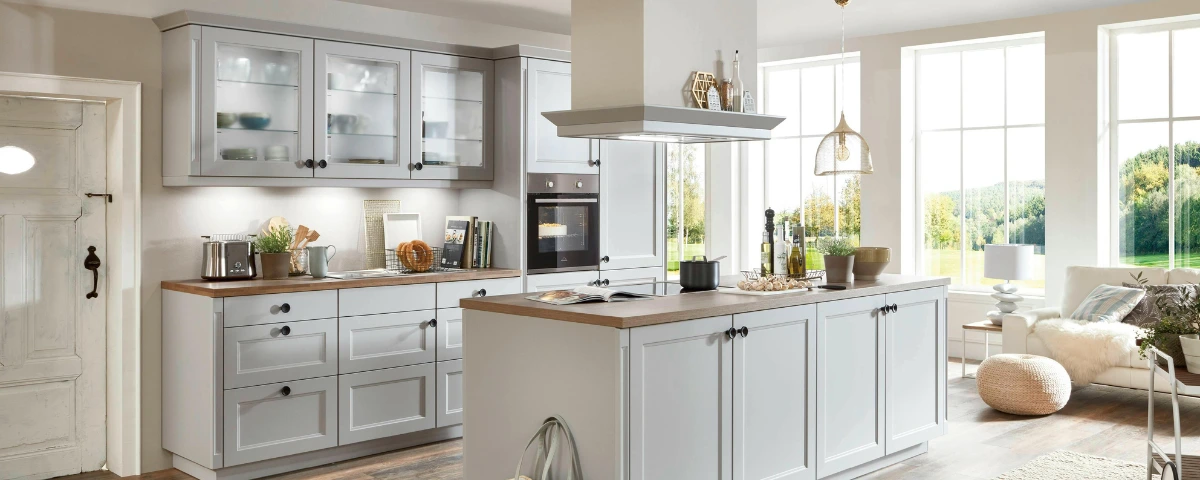
Decluttering Is Your Best Friend
Decluttering is one of the most effective and affordable steps before listing, especially when you know you are moving into a larger place. A cluttered home feels smaller, darker, and harder to imagine living in. Our guide with home decluttering tips can help you get started.
- Remove items you rarely use and donate or sell what you can.
- Store out-of-season clothing, extra toys, and bulky gear off-site if possible.
- Clear kitchen and bathroom counters to highlight surfaces and storage.
Many sellers choose to rent a small storage unit for a few months. It helps your current home show better and gives you a head start on packing for your move.
Frequently Asked Questions About Upsizing in Austin
How much more square footage do I really need?
There is no universal number that works for every household. A practical way to think about it is to list what your current home is missing—a second living area, extra bedroom, or more storage—and target homes that solve those gaps. For some families, that may mean a moderate increase in square footage with a better layout.
Is it better to renovate or upsize to a bigger home in Austin?
Renovating can work if your lot, zoning, and budget can support the changes you need. Upsizing often makes more sense when your home’s layout, commute, or neighborhood no longer fits your lifestyle, even with improvements. Comparing realistic renovation bids with the cost of buying a larger home in an area you like can help clarify which path matches your goals.
How will property taxes and utilities change when I buy a larger home?
Local governments in Texas set property tax rates based on your home’s appraised value, so a larger or more expensive property generally leads to higher annual taxes. Larger homes usually require more energy for heating and cooling, although efficiency upgrades can reduce that impact. Reviewing sample tax bills and estimated utilities for specific properties is the most accurate way to understand the numbers.
How can I time selling my current home and buying a bigger one?
You can sell first, buy first, or coordinate a simultaneous closing. Selling first gives you more financial certainty and avoids carrying two mortgages but may require temporary housing. Buying first offers more flexibility on move-in timing but involves higher short-term risk. The right approach depends on your budget, your timeline, and what is happening in your segment of the Austin market.
What does “move-up buyer” mean in the Austin market?
A move-up buyer is a current homeowner who sells a smaller or more basic home and purchases a larger or higher-value property that better matches their current stage of life. In Austin, this often means moving from a starter home or condo into a larger single-family home with additional bedrooms, living space, or a bigger yard in a neighborhood that fits long-term plans.
Upsizing Your Austin Home: Next Steps
Moving into a larger home is a meaningful decision, but it does not have to be overwhelming. When you understand why you truly need more space, the full cost of upsizing, and the neighborhoods that align with your priorities, the process becomes more strategic and less stressful.
Whether you are just starting to explore the idea or you have a specific timeline in mind, a conversation with a local expert can help you see what is realistic for your budget and lifestyle.
Thinking about upsizing in Austin? Talk to a real estate specialist at (512) 580-9338 or send us a message at contact us here. We can walk you through neighborhoods, numbers, and timing so you can move forward with confidence.
Disclaimer: This article is for general educational purposes only and is not legal, tax, or financial advice. Every situation is different. Before making decisions about buying or selling a home, consult with your own real estate professional, lender, tax advisor, and other qualified professionals.