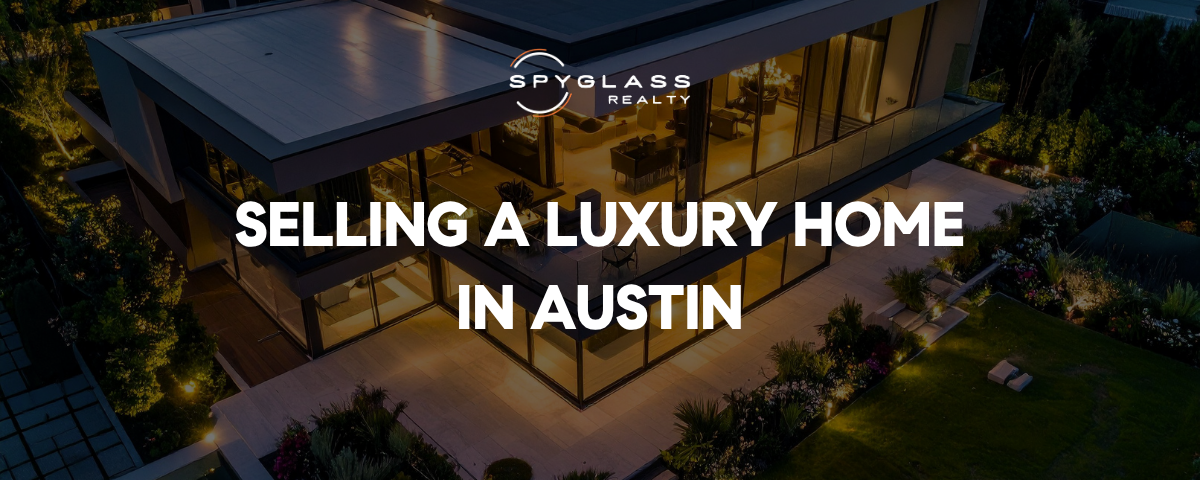
Selling a luxury home in Austin involves a different set of decisions than a standard residential sale. The pricing methods change, the marketing approach changes, and the buyer pool itself is smaller, more discerning, and often more private. If you approach a high-end sale the same way you would a $450,000 starter home, you are likely to leave money on the table or extend your days on market unnecessarily.
Austin's luxury segment has grown considerably over the past decade. Areas such as Westlake Hills, Rob Roy, Spanish Oaks, Tarrytown, and West Lake Hills consistently produce sales above $1.5 million, with a growing number of transactions in the $3 million to $10 million range. That growth has also attracted more sophisticated buyers who know what they want and do their homework before touring a single property.
This guide breaks down the process of selling a luxury home in Austin from start to finish, including how pricing, marketing, buyer qualification, and the closing process all look different at the top of the market.
What Makes Selling a Luxury Home in Austin Different
The most fundamental difference between a luxury sale and a standard sale is the buyer pool. A $450,000 home in Pflugerville has hundreds of potential buyers in any given month. A $3 million home in Westlake Hills may have a few dozen nationally, and perhaps only a handful who are actively looking in Austin at that moment.
That smaller pool changes everything downstream. It affects how you price the property, how aggressively you market it, how you screen showings, and how long you realistically expect the process to take.
Longer average days on market
Luxury homes in Austin typically spend more time on the market than homes priced at or below the metro median. That is not a sign of a problem. It reflects the smaller buyer universe and the more deliberate pace at which high-net-worth buyers make decisions. A well-priced, well-presented luxury property may take 60 to 120 days to find its buyer. Setting that expectation from the start prevents sellers from making reactive pricing moves too early.
Higher stakes on preparation and presentation
Luxury buyers at the $2 million and above price point have typically purchased real estate before. They notice deferred maintenance, inconsistent finishes, and staging that feels generic. Spending $20,000 to $50,000 on professional staging, deep cleaning, and targeted repairs before listing is standard practice in this segment, not an optional upgrade. The return on that investment is generally positive when compared to price reductions later in the listing cycle.
Privacy considerations
Many high-net-worth sellers and buyers prefer to keep transactions private. Some sellers do not want neighbors, colleagues, or the media to know their home is on the market. Some buyers do not want a public record of their address or purchase price. An experienced Austin luxury real estate specialist will know how to navigate off-market strategies, quiet listings, and MLS timing in ways that protect your privacy without sacrificing exposure to qualified buyers.
Pricing a Luxury Home in Austin: Why Standard Comps Often Fall Short
In a standard sale, a comparative market analysis draws on recent sales of similar homes nearby. If three comparable homes sold on your street in the last six months, pricing yours is relatively straightforward. In the luxury segment, that data is often thin or nonexistent.
A $4 million home with a resort-style pool, a guest casita, and a private hilltop view in Westlake may have had no comparable sale in the area within the last 12 to 18 months. The features that make the home valuable are also the features that make it harder to price. That is a challenge, not an excuse for guessing.
How luxury pricing actually works
Experienced luxury agents use a combination of approaches to arrive at a well-supported price. These include analyzing the closest available comparable sales with adjustments for differences in lot size, finishes, and amenities; reviewing current active listings to understand what the competition looks like from a buyer's perspective; and looking at absorption rates, or how quickly homes in a specific price range and neighborhood have been selling, to calibrate how aggressive or patient to be.
In some cases, a licensed appraiser who specializes in high-value Austin properties can provide an independent valuation that strengthens the pricing rationale and gives the seller added confidence.
The cost of overpricing in this segment
Overpricing a luxury home in Austin carries a steeper cost than it does in the standard market. High-end buyers and their agents monitor listings closely. A home that sits for 120 days and then drops in price signals that something is wrong, even if the original issue was simply price. That perception is hard to reverse. Pricing your Austin home accurately from day one is more important the higher the price point.
How Marketing a Luxury Austin Home Differs from a Standard Listing
The standard MLS listing with six smartphone photos and a brief description is not a marketing strategy for a $2 million home. At the luxury level, marketing is a production. The goal is to present the property as an aspirational asset to a narrowly targeted audience who may be searching nationally or internationally, not just on Zillow.
Visual content standards
Professional photography with a licensed architectural photographer is the baseline, not the premium option. Beyond still photos, most luxury listings benefit from aerial drone footage that captures the lot, the views, and the surrounding landscape. A professional video walkthrough or cinematic property film is increasingly expected by buyers who may not be able to visit in person before making an offer.
Floor plans, 3D virtual tours, and twilight photography rounds out the visual package. Together, these tools communicate the scale and quality of the home in ways that still photos alone cannot.
Targeted distribution
Luxury homes need to reach buyers who are not necessarily scrolling through Zillow. Distribution channels for high-end Austin listings typically include premium real estate platforms such as LuxuryPortfolio.com, JamesEdition, and Mansion Global, as well as agent-to-agent outreach to brokers who represent qualified high-net-worth buyers across Texas and in feeder markets such as New York, Los Angeles, and Silicon Valley.
Print marketing, private email campaigns to curated buyer lists, and invitation-only broker previews are also common tools that a standard listing agent may not have access to. See our overview of how to market a home for sale in Austin for a broader look at what a strong marketing plan involves at every price point.
Staging at the luxury level
Luxury staging goes beyond furniture placement. The goal is to communicate a lifestyle. Professional stagers who specialize in high-end properties curate artwork, lighting, textiles, and outdoor furniture to match the architectural character of the home. For vacant homes, staging costs can run $10,000 to $40,000 or more depending on the square footage. That investment pays for itself when it reduces time on market and supports the asking price during negotiations.
Qualifying Buyers, Negotiation, and Confidentiality in High-End Sales
One of the most practical differences in a luxury sale is how showings are managed. In a standard sale, the bar for a showing is relatively low. In the luxury segment, sellers have a legitimate interest in knowing that anyone walking through their home has the financial capacity to actually purchase it.
Proof of funds and pre-qualification
It is standard practice in Austin's luxury market to require proof of funds or a pre-approval letter before granting a showing. For properties above $3 million, many listing agents require a bank statement or letter from a private wealth manager confirming available liquid assets. This is not intended to be obstructive. It protects the seller's time and privacy while keeping the showing schedule focused on legitimate prospects.
Negotiation dynamics
Luxury buyers are typically experienced negotiators, and their agents often are as well. Expect more back-and-forth on price, closing timeline, and what conveys with the property. Custom fixtures, art installations, outdoor furniture, and whole-home technology systems are all common negotiation points. Having a clear list of what is included and excluded before listing prevents confusion and protects items you intend to keep.
Sellers who prepare well and price accurately tend to negotiate from a stronger position. Sellers who need to move quickly or have already reduced their price once are in a weaker spot. Avoiding common mistakes Austin home sellers make, such as delaying preparation or responding emotionally to early low offers, matters even more at the luxury level.
Confidentiality during the transaction
Both parties in a luxury transaction often prefer to limit public disclosure. Some sellers prefer a pre-MLS or off-market approach where the home is shown to a select network before going public. Others use a delayed public launch to build anticipation. Texas law governs what must ultimately be disclosed, but there is flexibility in how and when you engage the broader market. An agent with experience in this segment knows where those lines are.
The Inspection and Closing Process for Austin Luxury Properties
Once a contract is signed, the inspection and closing process follows a similar framework to a standard sale, but with greater complexity and more opportunity for the deal to derail if not managed carefully.
Inspections are more extensive
A luxury home with a pool, detached guest house, wine cellar, home theater, solar panels, and whole-home generator requires a more thorough inspection process than a standard three-bedroom home. Buyers often bring in multiple specialists: a general inspector, a pool and spa technician, a structural engineer, an MEP (mechanical, electrical, and plumbing) specialist, and potentially a technology systems consultant for smart-home infrastructure.
The option period in Texas typically runs 5 to 10 days. For luxury properties, a 10-day option period is common and gives buyers adequate time to complete this more comprehensive due diligence.
Appraisal considerations
If the buyer is financing any portion of the purchase, the lender will require an appraisal. In the luxury segment, appraisals can be complicated by the same thin comparable data that makes pricing difficult. Appraisers with luxury experience are specifically trained to handle properties where standard comps are limited. If the appraisal comes in below the contract price, the gap becomes a negotiation point between buyer and seller.
Cash buyers, who are more common in Austin's upper price tiers, skip the appraisal requirement entirely, which can accelerate the timeline and reduce closing risk.
Title, closing costs, and timeline
Closing costs for the seller on a luxury home follow the same general framework as any Texas sale: agent commission, title insurance, prorated property taxes, and any agreed-upon seller concessions. On a $3 million property, those costs add up quickly and are worth modeling out before you list. A standard closing timeline runs 30 to 45 days from executed contract, though cash transactions can close in as little as two weeks if both parties are ready.
Frequently Asked Questions About Selling a Luxury Home in Austin
What price range is considered luxury real estate in Austin?
The threshold for luxury real estate in Austin is generally considered to start around $1.5 million, though many agents and platforms set the bar at $2 million and above. Properties in the $3 million to $10 million range are increasingly common in areas such as Westlake Hills, Rob Roy, Spanish Oaks, and along Lake Austin. The definition can also depend on the neighborhood, as a $1.5 million home in one area may be a standard transaction while the same price in another area represents the top of the market.
How long does it take to sell a luxury home in Austin?
The average days on market for luxury homes in Austin is typically longer than the broader market. A well-priced, well-presented home in the $2 million to $4 million range might sell in 45 to 90 days. Properties above $5 million may take 90 to 180 days or longer depending on market conditions, the uniqueness of the property, and how broadly it is marketed. Pricing accurately from the start is the most reliable way to shorten the timeline.
Should I sell my Austin luxury home off-market?
An off-market or pre-MLS strategy can be appropriate for sellers who prioritize privacy or who have reason to believe their agent can reach the right buyers through a private network. The trade-off is exposure. Full MLS listing combined with luxury-specific platforms typically generates more buyer attention, which creates more competitive offers. Off-market sales can work well but are generally better suited for properties with highly specific buyer profiles or sellers with compelling reasons to avoid public listing.
Do I need a different agent to sell a luxury home in Austin?
Experience in the luxury segment matters because the process, the buyer pool, and the marketing expectations are genuinely different from a standard sale. An agent who primarily works in the $400,000 to $600,000 range may not have the network, the vendor relationships, or the negotiation experience that a $3 million sale requires. When interviewing agents, ask specifically about their recent luxury transaction history in Austin and the marketing plan they would execute for your property.
Ready to talk through what your luxury home sale could look like? A Spyglass agent can walk you through pricing, timing, and the full process with no pressure.
Schedule a conversation with a Spyglass agentShare your property details and goals, and we will help you build a focused plan for your sale.
Disclaimer: This article is for general educational purposes only and is not legal, tax, or financial advice. Every situation is different. Before making decisions about buying or selling a home, consult with your own real estate professional, lender, tax advisor, and other qualified professionals.