
How to Afford an Austin Home Despite High Interest Rates
The Austin housing market is hot, prices are soaring, and mortgage rates are on a wild ride. But do not throw in the towel just yet, as it is still possible to afford a home in Austin with the right approach.
We are going to walk through strategies that can help you snag that Austin dream home without breaking the bank. From improving your credit score to exploring different loan options you might not have considered, we have you covered. Understanding the finances, like the required annual income and potential monthly mortgage payment, is the first step.
So grab a cold drink, kick back, and let's explore how to afford a home in Austin, Texas style. For many, this journey is about finding a place to call their own in this vibrant city. This guide will provide actionable advice for any prospective homebuyer, from young professionals to growing families.
Understanding the Austin Housing Market
Before jumping into strategies, it is important to understand the landscape of the Austin real estate market. Prices have been climbing steadily, with the median purchase price often reaching record highs and far exceeding the Texas average. The demand in the Austin metro area continues to be strong, making it a competitive environment for any first-time homebuyer.
But why is it so expensive? Several factors contribute to Austin's housing costs:
- A booming tech sector is drawing major companies and high-paying jobs, increasing the average salary and subsequent demand for housing.
- The overall housing supply has struggled to keep up with the population boom in Central Texas.
- Austin's incredible culture, with its live music, fantastic food trucks, and access to outdoor recreation, makes it a highly desirable place to live for people from all over, including places like Los Angeles.
This creates a challenging estate market where housing costs have outpaced wage gains for many residents. However, knowing the challenges is the first step to overcoming them. With a solid plan, you can successfully find a home in one of Austin's many great neighborhoods.
Current Market Conditions
Understanding where the market stands right now can help you time your purchase strategically. As of 2025, the Austin housing market shows these key indicators:
- Active Listings: Over 5,500 residential properties currently on the market
- Price Reductions: Approximately 53% of listings have experienced recent price cuts
- Market Activity: The activity index sits at 21.8%, indicating moderate buyer engagement
- Inventory Levels: 6.1 months of inventory suggests a shift toward more favorable conditions for buyers
- Price-to-Income Ratio: Currently around 7.2 times median income (traditionally, a healthy ratio is 3-4 times)
These metrics indicate that while Austin remains expensive, the market is experiencing a softening that creates opportunities for strategic buyers. The high percentage of price reductions suggests sellers are becoming more negotiable, which can work in your favor.
Buying vs. Renting in Austin
Before committing to homeownership, it is worth evaluating whether buying or renting makes more financial sense for your situation. Here are the key factors to consider:
Why Buying Often Makes Sense:
- Fixed Housing Costs: Your mortgage payment remains stable (with a fixed-rate loan), while rent can increase unexpectedly. Austin rents currently average between $1,750 and $2,216 per month and continue to climb.
- Equity Building: Every mortgage payment builds wealth through home equity. Think of your home as an investment that offers incredible returns, with a portion of each payment reducing your loan balance.
- Long-Term Value: If you plan to live in Austin for three years or more, buying typically offers better financial returns than renting, even when accounting for closing costs and maintenance.
- Tax Benefits: Homeowners can often deduct mortgage interest and property taxes, providing additional savings.
When Renting Might Be Better:
- You plan to stay in Austin for less than three years
- You need flexibility for career changes or relocation
- You are still building your credit score and down payment savings
- You want to avoid maintenance responsibilities and unexpected repair costs
The Bottom Line: With Austin's median home value around $550,000 to $625,000, the gross costs, equity potential, and investment returns favor buying over renting for those planning to establish roots in the city. Even as you work toward homeownership, renting can provide a strategic stepping stone while you improve your financial position.
What Salary is Needed to Afford a Home in Austin?

This is the million-dollar question, or rather, the several-hundred-thousand-dollar question. The income needed to comfortably afford a home in Austin depends on many factors, including the home's purchase price, your down payment, your credit score, and current mortgage rates. To get a clearer picture of how much it costs to live comfortably in Austin, lenders also look at your debt-to-income (DTI) ratio to determine how much you can borrow.
Recent data shows just how much income is needed to live comfortably in Austin. According to a GOBankingRates survey that analyzed family size, median household income, and livability across 100 U.S. cities, the average monthly cost of living in Austin comes to about $4,744. That puts the city 73rd on the list of most expensive metro areas.
The study defines “comfortable living” as covering all basic expenses while still having money left for savings, investing, and leisure. Based on the guideline that housing should not exceed half of a person’s income, researchers estimate that an annual salary of about $113,852 is required to meet that standard in Austin. That’s nearly $22,000 higher than the city’s median household income, highlighting the gap many residents face.
Income-to-Home Price Guide
Understanding what home price range your income supports is crucial for setting realistic expectations. Here is a breakdown based on the 28% housing expense rule with current interest rates around 6.85% and a 20% down payment:
| Annual Income | Maximum Home Price | Estimated Monthly Payment* |
|---|---|---|
| $75,000 | $235,000 | $1,750 |
| $100,000 | $319,000 - $350,000 | $2,333 |
| $118,000 | $330,000 | $2,755 |
| $150,000 | $470,000 | $3,500 |
| $200,000 | $625,000 | $4,667 |
| $250,000 | $785,000 | $5,833 |
| $320,000 | $1,000,000 | $7,467 |
*Monthly payments include principal, interest, property taxes (1.99%), and homeowner's insurance (0.68%)
What This Means for Different Income Levels:
- Under $100,000: Your options will be limited to approximately 10-15% of the current market, primarily in outlying suburbs or requiring creative financing
- $100,000 - $150,000: You will likely need to focus on starter homes, townhouses, or properties in up-and-coming neighborhoods
- $150,000 - $200,000: Access to a broader range of options including established neighborhoods and some single-family homes
- $200,000+: Comfortable access to median-priced and above-median homes throughout the Austin metro area
Affordability by Home Price Percentile
Here is how income requirements scale across different segments of the Austin market:
- 25th Percentile ($425,000): Requires $136,000 annual income
- 35th Percentile ($500,000): Requires $160,000 annual income
- 50th Percentile/Median ($625,000): Requires $200,000 annual income
- 75th Percentile ($1,000,000): Requires $320,000+ annual income
- Top 5% ($2,995,000+): Requires $958,000+ annual income
With only 15% of listings priced below $400,000, the majority of homes are simply not affordable for most working families in the city using traditional financing alone. This is why exploring all available strategies becomes essential.
Boost Your Credit Score
Your credit score is a critical piece of your financial profile when you want to purchase a home. A higher score tells mortgage lenders you are a reliable borrower, which can unlock lower mortgage rates and better loan terms. Improving your credit score is one of the most effective ways to lower your long-term housing costs.
Pay Down Debt
Focus on reducing your credit card balances and other high-interest debts. Lenders look closely at your credit utilization ratio, which is the amount of credit you are using compared to your total available credit. Aim to keep this ratio below 30% to have a positive impact on your credit score.
Pay Bills on Time
A history of on-time payments is one of the biggest factors in your credit score. Even one late payment can have a negative effect. Set up automatic payments for your recurring bills to make sure nothing slips through the cracks.
Check for Errors
You are entitled to a free copy of your credit report from each of the three major credit bureaus every year. Review your reports carefully and dispute any errors you find. Correcting inaccuracies can sometimes provide a quick boost to your score.
Save for a Down Payment and Closing Costs
Saving for a down payment is often the biggest hurdle for a first-time buyer. While the traditional 20% down payment helps you avoid private mortgage insurance (PMI), many loan programs allow for a much smaller initial investment. Every dollar you save reduces your loan amount and your monthly mortgage payment.
Set a Clear Budget
Analyze your spending habits to see where you can cut back. Reducing discretionary spending on things like dining out, subscriptions, or daily coffee can add up quickly. Creating a detailed budget makes it easier to track your progress and stay motivated.
Automate Your Savings
Treat your savings like any other bill. Set up an automatic transfer from your checking account to a dedicated high-yield savings account each payday. This "pay yourself first" strategy makes saving effortless because the money is gone before you have a chance to spend it.
Consider a Side Hustle
If your primary household income is not enough to save as quickly as you would like, think about a side hustle. The gig economy offers a wide range of opportunities, from driving for a rideshare service to freelance work online. The extra income can significantly accelerate your down payment savings.
Understanding Down Payment Options
Down payments can range from 0% to 100% of the total house price, depending on your budget, loan type, and long-term priorities. While experts have historically recommended budgeting for a 20% down payment, the increasing cost of homes and continued sluggish wage increases has led to lower down payments becoming more common and accepted.
Down Payment Examples for Austin Homes
Here is what different down payment percentages look like for various Austin home price points:
For a $330,000 Starter Home:
| Down Payment % | Amount Needed | Loan Amount | PMI Required? |
|---|---|---|---|
| 3% | $9,900 | $320,100 | Yes |
| 3.5% (FHA) | $11,550 | $318,450 | Yes |
| 5% | $16,500 | $313,500 | Yes |
| 10% | $33,000 | $297,000 | Yes |
| 15% | $49,500 | $280,500 | Yes |
| 20% | $66,000 | $264,000 | No |
For a $625,000 Median-Priced Home:
| Down Payment % | Amount Needed | Loan Amount | PMI Required? |
|---|---|---|---|
| 3% | $18,750 | $606,250 | Yes |
| 5% | $31,250 | $593,750 | Yes |
| 10% | $62,500 | $562,500 | Yes |
| 15% | $93,750 | $531,250 | Yes |
| 20% | $125,000 | $500,000 | No |
Key Considerations:
- Lower Down Payment Options: Some loan types allow for down payments as low as 0% (VA, USDA) or 3% (conventional), making homeownership more accessible
- PMI (Private Mortgage Insurance): Required when you put down less than 20%, typically adding $100-$300+ to your monthly payment
- Higher Credit Scores: May qualify you for lower down payment requirements on conventional loans
- Gift Funds: Many loan programs allow down payment funds to be gifted from family members
The right down payment amount depends on your financial situation, available savings, and long-term goals. A larger down payment reduces your monthly costs but depletes your cash reserves, while a smaller down payment preserves emergency funds but increases monthly payments.
What to Expect for Monthly Payments
Understanding your monthly housing costs beyond just the mortgage principal and interest is essential for accurate budgeting. Your total monthly payment includes several components that vary based on your home price, location, and down payment.
Monthly Payment Breakdown Examples
For a $330,000 Starter Home (3.5% down, 6.85% interest rate):
- Principal & Interest: $2,050
- Property Taxes (1.99%): $547
- Homeowner's Insurance (0.68%): $187
- PMI: $171
- Total Monthly Payment: $2,955
For a $625,000 Median-Priced Home (20% down, 6.85% interest rate):
- Principal & Interest: $3,283
- Property Taxes (1.99%): $1,037
- Homeowner's Insurance (0.68%): $354
- PMI: $0 (20% down)
- Total Monthly Payment: $4,674
For a $425,000 Home (10% down, 6.85% interest rate):
- Principal & Interest: $2,520
- Property Taxes (1.99%): $705
- Homeowner's Insurance (0.68%): $241
- PMI: $128
- Total Monthly Payment: $3,594
Additional Monthly Costs to Consider
Beyond your mortgage payment, budget for:
- HOA Fees: $100-$500+ per month for condos, townhouses, or planned communities
- Utilities: $200-$400 per month (electric, water, gas, trash)
- Maintenance Reserve: 1% of home value annually ($500-$1,000+ per month for a $625,000 home)
- Internet/Cable: $75-$150 per month
These examples demonstrate why the 28% rule exists, housing costs add up quickly, and you need sufficient income cushion for other expenses and unexpected repairs.
Explore Your Loan Options

A standard conventional mortgage is not the only path to homeownership. The government and other organizations offer a wide range of home loan programs designed to make buying a home more accessible, especially for those with lower down payments or less-than-perfect credit. Researching these options is a key part of homebuyer education.
FHA Loans
Backed by the Federal Housing Administration, FHA loans are a popular choice for first-time homebuyers. They typically require a down payment of just 3.5% and have more flexible income requirements. These loans are a great tool for making homeownership more attainable.
VA Loans
If you are a veteran, active-duty service member, or eligible surviving spouse, a VA loan is an incredible benefit. These loans often require no down payment and have no private mortgage insurance. They are one of the best loan products available on the estate market.
USDA Loans
For those willing to live outside the Austin city limits in eligible rural or suburban areas, a USDA loan could be a perfect fit. These loans also offer a zero down payment option for qualified borrowers. Many communities in the Greater Austin area qualify for this program.
Conventional Loans
Traditional conventional loans offer flexibility for buyers with strong credit and stable income. With as little as 3% down and no upfront mortgage insurance premium (unlike FHA), they can be cost-effective for qualified buyers. Once you reach 20% equity, PMI automatically drops off.
Loan Term Options
- 30-Year Fixed: Lower monthly payments, more interest paid over time
- 15-Year Fixed: Higher monthly payments, substantial interest savings (hundreds of thousands of dollars over the loan term)
- Adjustable-Rate Mortgages (ARMs): Lower initial rates that adjust after a fixed period; can be beneficial if you plan to move within 5-7 years
Secure Mortgage Pre-Approval
If you are a first-time home buyer, it may seem backward to call the mortgage company before making an offer on a home. But the reality is, you can receive mortgage pre-approval without a house—and you absolutely should.
Why Pre-Approval is Critical
Mortgage pre-approval means a loan officer reviews your finances, checks your credit, and analyzes your debt to determine how much home you can afford. This process provides several crucial benefits:
Know Your Budget: You will understand exactly how much home you can afford before you start shopping, preventing you from falling in love with a place outside your price range.
Strengthen Your Offers: Sellers take pre-approved buyers seriously. In Austin's competitive market, a pre-approval letter demonstrates you have the financial backing to close the deal, making your offer stand out among multiple bids.
Faster Closing: Much of the financial legwork is already complete, allowing you to move through the closing process more quickly when you find the right property.
Identify Issues Early: Pre-approval reveals any credit or financial issues that might prevent approval, giving you time to address them before house hunting.
The Pre-Approval Process
- Gather Documentation: Pay stubs, tax returns (2 years), bank statements, employment verification, and debt information
- Credit Check: The lender will pull your credit report and score
- Financial Analysis: Review of income, debts, assets, and employment history
- Pre-Approval Letter: Valid for 60-90 days, showing sellers you are a qualified buyer
- Rate Lock Option: Some lenders allow you to lock in rates during the pre-approval period
Important: Pre-approval is different from pre-qualification. Pre-qualification is an informal estimate, while pre-approval involves actual verification of your financial information and carries much more weight with sellers.
In Austin's market, where 53% of homes have recently reduced prices and inventory is increasing, having pre-approval ready positions you to act quickly when opportunities arise.
Look in Different Austin Neighborhoods
Central Austin neighborhoods are fantastic, but they come with a hefty price tag. Expanding your search to other parts of the Austin metro can reveal more affordable housing options. Many of these areas offer great amenities, strong communities, and their own unique character.
Consider looking in these areas:
- Northeast Austin: Areas like Windsor Park and St. Johns are experiencing revitalization and offer homes at a lower price point than more central locations. These neighborhoods provide residents access to parks and are a short drive from downtown Austin.
- Southwest Austin: While some parts can be pricey, neighborhoods further south and west offer more space and value. Southwest Austin is known for its rolling hills and access to outdoor recreation.
- Suburbs and Beyond: Looking at communities just outside Austin's city limits, such as Pflugerville, Round Rock, or Buda, can open up a wide range of affordable homes. Many of these suburbs have excellent schools, including highly-rated high school options, and a strong sense of community.
Here is a quick look at how different areas can vary in affordability:
Negotiate Like a Pro
In a competitive real estate market like Austin's, your ability to negotiate can make a huge difference. A skilled real estate agent is your best asset in this process. A good estate agent who knows the local market can help you craft a compelling offer and navigate the back-and-forth with the seller.
Choose a Top Real Estate Agent
The easiest way to find the right home for your budget and personal preferences is working with a real estate agent who has your timeline and goals top of mind. They can help you with making a competitive offer and introduce you to neighborhoods that make sense to call home.
Key questions to ask potential agents:
- How many transactions have you closed in Austin in the past year?
- What is your experience with first-time homebuyers?
- How do you approach negotiations in a competitive market?
- Can you provide references from recent clients?
- What is your communication style and availability?
Be Flexible with Your Terms
Price is not the only negotiable point. Offering flexibility on the closing date to match the seller's timeline can make your offer more attractive, even if it is not the highest one. Sometimes a seller values a smooth, convenient transaction over a few extra thousand dollars.
Ask for Seller Concessions
Seller concessions are when the seller agrees to pay for a portion of your closing costs. This can save you thousands of dollars out-of-pocket at closing. While less common in a seller's market, it is always worth asking, especially if a home has been on the market for a little while.
Look into Down Payment Assistance Programs
Do not let a lack of a large down payment stop you from pursuing homeownership. Both the state of Texas and the city of Austin offer a number of down payment assistance programs. These programs are designed to help low- and moderate-income homebuyers overcome this significant financial barrier.
Some programs to investigate include:
- My First Texas Home: This program offers mortgage loans with down payment and closing cost assistance for first-time homebuyers.
- Texas State Affordable Housing Corporation (TSAHC): TSAHC provides grants and forgivable loans to help with your down payment.
- City of Austin Down Payment Assistance Program: This local program offers assistance to homebuyers purchasing within the Austin city limits.
Many of these programs require completion of a homebuyer education course. This is a great opportunity to learn about the entire homebuying process. Be sure to check the specific income requirements and eligibility criteria for each program.
Consider a Condo or Townhouse
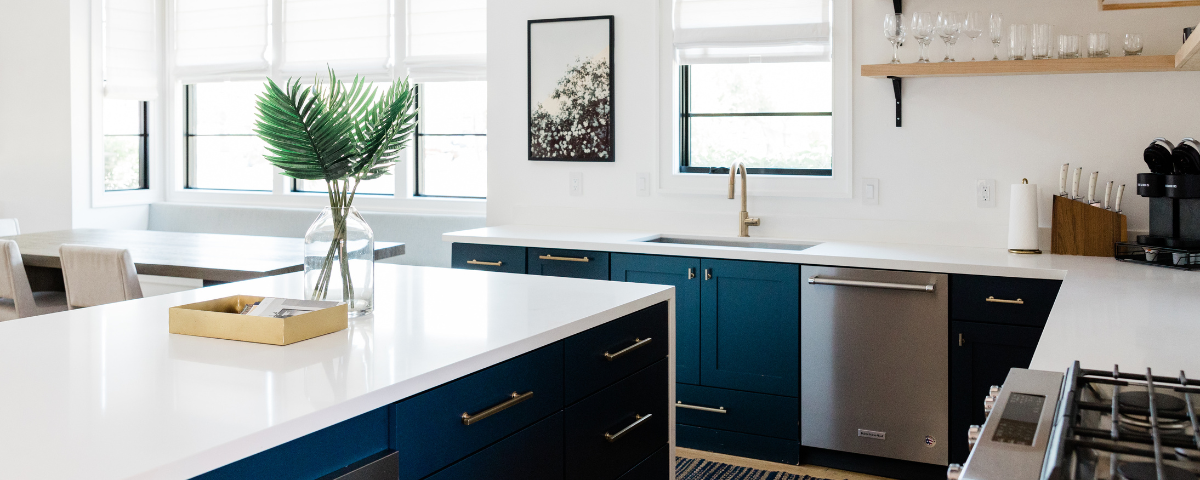
If the price of a single-family home in your desired neighborhood feels out of reach, do not overlook condominiums and townhouses. These options can be a more affordable entry point into the housing market, especially for young professionals or those who do not need a large yard. They often provide access to desirable areas and amenities like pools and fitness centers at a lower purchase price.
Be Patient and Prepared
Finally, one of the best strategies is to be patient. The real estate market is cyclical, and conditions can change. Rushing into a purchase you cannot comfortably afford can lead to financial stress down the road.
Use this time to strengthen your financial position. Continue to save aggressively, work on improving your credit score, and watch the Austin market trends. Talk to an Austin real estate expert if you're considering buying a home. When the right opportunity arises, you will be prepared to make a confident and competitive offer.
How to Afford a Home in Austin?
Buying a home in Austin's competitive market is a significant accomplishment, but it is certainly not impossible. By understanding the salary needed, improving your financial health, and exploring all your options, you can make your dream of homeownership a reality. From leveraging down payment assistance programs to expanding your search to up-and-coming Austin neighborhoods, there are many paths to your front door.
The journey requires preparation, flexibility, and a great real estate agent by your side. Remember that this process is a marathon, not a sprint. Keep your focus on your long-term goal, stay informed about the Austin housing market, and do not be afraid to think creatively.
With careful planning, you will soon be able to join Austin as a homeowner, enjoying everything this dynamic city has to offer from the comfort of your own home. Cheers to your future in Austin!
Buying in Austin should feel exciting, not stressful. Talk to a real estate specialist at (512) 580-9338 or message us at contact us here for smart, confident next steps.