
Texas Hill Country Land and Ranches for Sale
This page is the Hill Country land and ranch hub for Spyglass Realty. The feed covers Blanco, Burnet, Llano, Gillespie, Kendall, and Hays counties, plus western Travis cities such as Spicewood, Lakeway, and Bee Cave. It is the west and southwest of Austin. It is not the east-Austin agricultural market. Elgin, Del Valle, Coupland, and Manor are outside this geography, and Kyle is not in this feed. Kyle stays on the Hays County page.
Area overview
The Texas Hill Country west of Austin is limestone, live oak, and cedar, with ranch roads off US 290, US 281, and Ranch Road 12. Tract size runs from a few acres with a house to large pastures. A paved state highway frontage and a tract on a private ranch road are different properties. Confirm legal access on the survey before you compare prices.
Blanco and Gillespie
Blanco County listings are typically around Blanco and Johnson City. Gillespie County listings are typically around Fredericksburg. Both mix smaller tracts and larger ranches. US 290 and US 281 are the main paved routes. See Blanco County land and ranches and Fredericksburg land and ranches.
Burnet, Llano, and Lampasas
Burnet County includes Burnet, Marble Falls, Bertram, and Granite Shoals. Llano County includes Llano, Kingsland, and Horseshoe Bay. Some tracts are near the Highland Lakes. Lake frontage, a lake view, and a dry pasture are different properties: read the survey and ask whether water rights or a dock permit convey. Lampasas County sits north of Burnet. See Burnet County land and ranches, Llano ranches and land, and Lampasas County land and ranches.
Kendall County
Kendall County acreage is usually listed around Boerne or Comfort. Not every Hill Country ranch is in the Austin MLS. If a tract you expect is missing here, ask Spyglass to check whether it is listed on another board.
Hays County and western Travis
Hays County acreage on this page is in Dripping Springs, Wimberley, and Driftwood. Kyle, Buda, and San Marcos are on the Hays County land page, not in this hub feed. Western Travis listings are in Spicewood, Lakeway, Bee Cave, West Lake Hills, Jonestown, and Lago Vista. For city detail, see Wimberley land for sale and Dripping Springs ranches for sale.
Bastrop and Williamson
Bastrop County is east of Austin, in the Lost Pines, and is a different landscape from this hub. Williamson County is north of Austin, from Florence and Jarrell to Georgetown, Liberty Hill, and the Round Rock side. Use those spokes when the search is not the limestone west. See Bastrop County land for sale and Williamson County land for sale.
What is for sale
The grid lists ranch and farm properties in the cities named above. Land listings that are not ranch or farm stay on the city and county spokes, where tracts of at least 5 acres are included with the ranches. The line above the listing grid states how many listings match that filter right now. The first listings are linked in the page HTML. Commercial buildings with a very large structure are left off the grid. A commercial-typed tract with no large building is labeled Commercial so you can see it is not a house.
Buyer checklist
Use this list during the option period on a Hill Country tract. A listing photo does not answer any of these questions. This is general information, not legal, tax, or engineering advice.
Water wells and groundwater districts
Hill Country water is often a private well regulated by a groundwater conservation district. In western Hays, including much of Wimberley and Dripping Springs, that district is often the Hays Trinity Groundwater Conservation District. Parts of northern Hays fall under the Barton Springs/Edwards Aquifer Conservation District. Other counties on this hub have their own districts or, in places, no district. The Texas Water Development Board groundwater conservation district map shows which district, if any, covers a parcel. Ask for the well report, the driller log, and any pumping limit. A creek on the survey is surface water. It is not a permitted well. A city name on the listing does not set the district boundary.
Septic and OSSF permits
Many tracts are outside a city sewer. An on-site sewage facility, often a septic system, is permitted under Texas Commission on Environmental Quality rules. Counties usually take the application. Start with the TCEQ OSSF page. Ask whether a permit is on file, when the system was installed, and whether the soil was evaluated if you plan another dwelling. A listing labeled land does not mean a septic site has been approved.
Agricultural and 1-d-1 open-space valuation
Open-space agricultural appraisal, often called a 1-d-1 valuation or an ag exemption, taxes qualifying land on its agricultural use instead of its market value. It is not a waiver that appears at closing. The county appraisal district decides whether the use qualifies, and the acreage minimums differ by county. The Texas Comptroller agricultural and timber land page explains the statewide framework. For this area, confirm the current rules with the Texas Comptroller agricultural appraisal overview and with your own tax advisor. Wildlife management is a separate qualifying use in many districts. Read agricultural exemption in Texas before you assume a listing is already qualified.
Floodplain and FEMA maps
Ask whether any of the tract is in a mapped floodplain. The FEMA Flood Map Service Center is the official map. A flood zone can change insurance, where a house can sit, and which parts of a pasture stay dry after a storm. The map is a starting point. A surveyor can locate the zone on the ground. Creek frontage and a floodplain are different facts.
Road access and easements
Legal access may be a public county road or a recorded easement across another tract. Read the survey and the title commitment for access, utility, and pipeline easements. A gate and a gravel drive are not proof of legal access. If the tract is landlocked, the price should reflect what it will take to secure access before you close. Deed restrictions can also limit animals, an extra house, or a lot split. Those limits are in the chain of title, not in the marketing remarks.
Utilities and broadband
Electricity, water, and internet stop at different places. Ask the electric utility for a serviceability letter, and ask internet providers what is available at the gate rather than in the nearest town. A private well and an on-site sewage facility are the water and sewer plan on many of these tracts. Propane is common where a gas main does not run. None of these are included just because the land is in the Hill Country. Carrying costs after the purchase price are covered in what it costs to own a small farm or ranch near Austin and in how to buy land in Austin.
Regional land market
The Texas Real Estate Research Center at Texas A&M reported rural land in the Austin-Waco-Hill Country region at $8,040 per acre in the second quarter of 2026, up 8.63 percent from a year earlier, across 1,062 sales. That figure is a regional result for rural land. It is not the price of any tract on this page, and it is not a forecast. Asking prices below are the live MLS list prices. Source: Texas Real Estate Research Center rural land market data.
Search by price
These links open Hill Country land in the listings search with a list-price filter. They are search tools, not a claim about what land sells for. The search page does not yet filter by lot size, so acreage-range pages are a later step.
- Hill Country land under $500,000
- Hill Country land from $500,000 to $1,000,000
- Hill Country land from $1,000,000 to $2,000,000
- Hill Country land at $2,000,000 and above
Related ranch and land pages
- Wimberley land for sale
- Dripping Springs ranches for sale
- Hays County land for sale
- Bastrop County land for sale
- Llano ranches for sale
- Burnet County land and ranches
- Blanco County land and ranches
- Fredericksburg land and ranches
- Lampasas County land for sale
- Williamson County land for sale
- Austin ranches and farms for sale
- Land for sale in Austin
- Contact Spyglass Realty
Current listings
At least 99 listings match this page in the current scan. The first 12 are linked below.

$50,000,000
2,380 acres
$21,008 asking price per acre
Dripping Springs, TX

$12,950,000
530 acres
$24,434 asking price per acre
Johnson City, TX
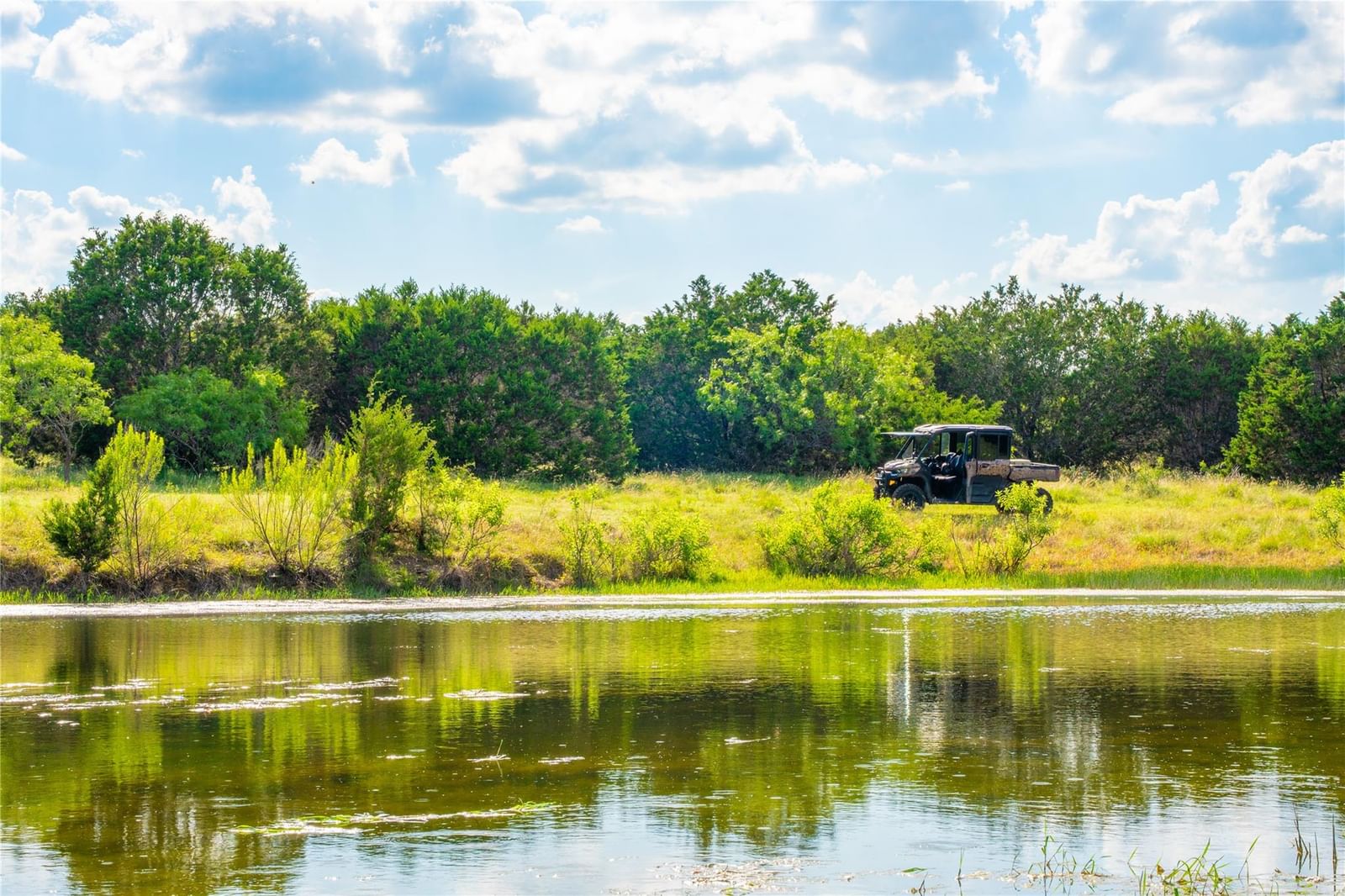
$5,175,000
500 acres
$10,350 asking price per acre
Burnet, TX
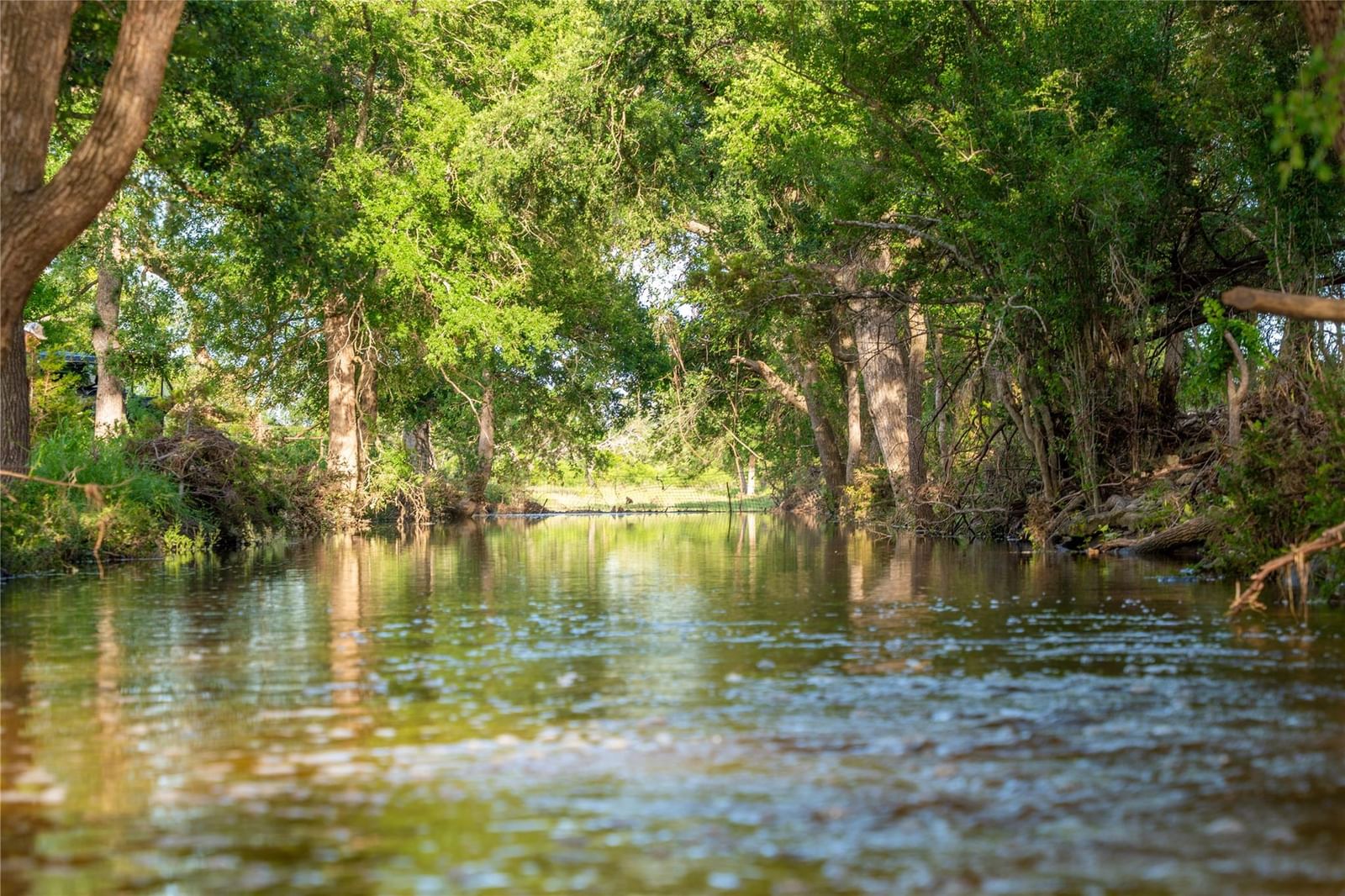
$7,450,000
403 acres
$18,486 asking price per acre
Burnet, TX

$7,960,000
354 acres
$22,507 asking price per acre
Johnson City, TX

$9,450,000
225 acres
$42,000 asking price per acre
Johnson City, TX
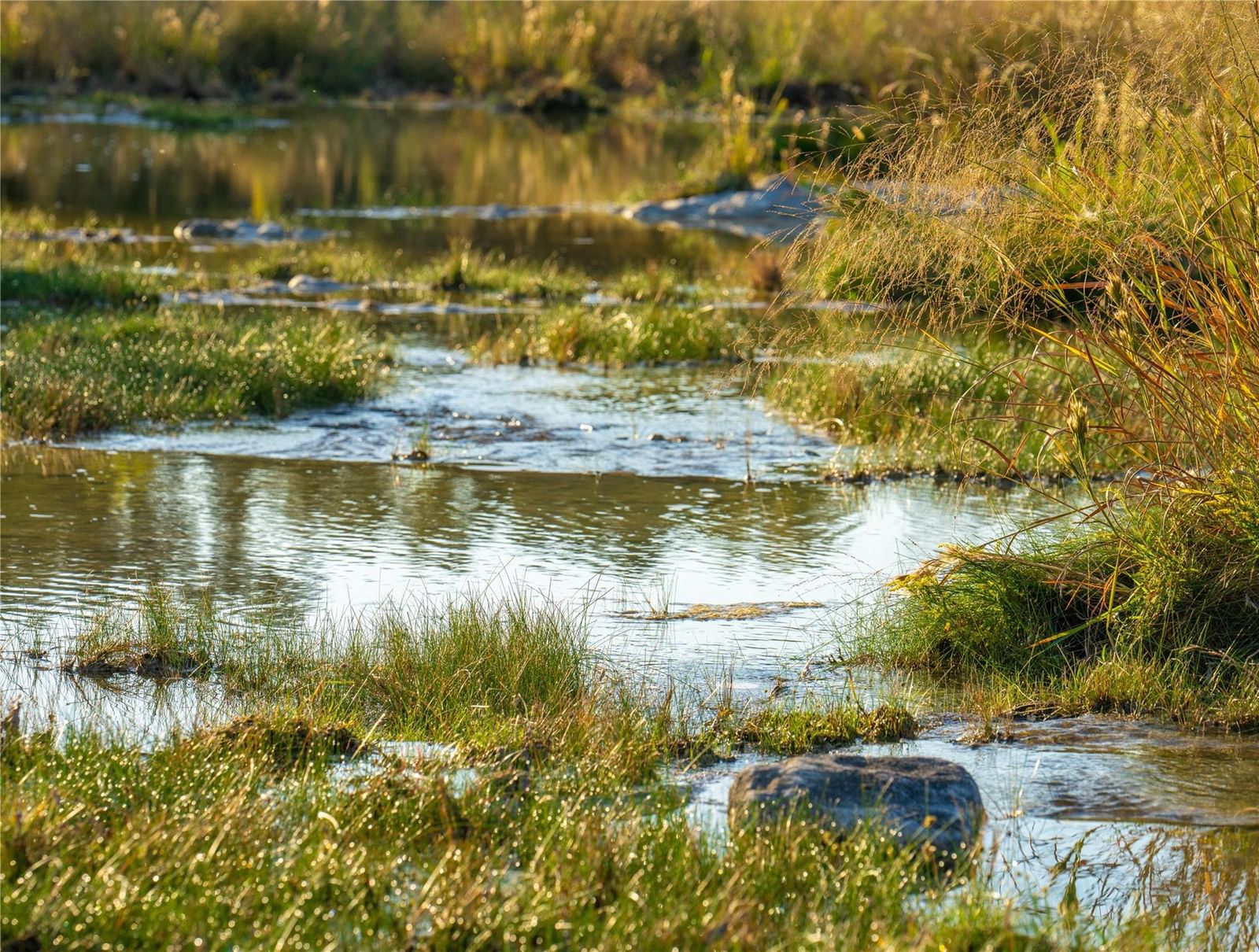
$3,280,000
172 acres
$19,100 asking price per acre
Fredericksburg, TX

$5,055,300
169 acres
$30,000 asking price per acre
Spicewood, TX

$2,655,000
161 acres
$16,491 asking price per acre
Bertram, TX

$3,795,000
155 acres
$24,497 asking price per acre
Johnson City, TX

$2,990,000
150 acres
$19,933 asking price per acre
Johnson City, TX

$4,585,000
132 acres
$34,735 asking price per acre
Wimberley, TX
Which counties does this Hill Country page cover?▼
How do agricultural and wildlife valuations work on Hill Country land?▼
What should I review before offering on Hill Country acreage?▼
How do I compare Hill Country land with Austin farms?▼
Updated November 16, 2026. By Ryan Rodenbeck, CEO/Broker, Spyglass Realty.