
Key Insights
- The city of Austin operates dozens of public pools and splash pads, including three spring-fed public pools, according to Axios's Austin summer swimming guide.
- Barton Springs Pool has free, swim-at-your-own-risk hours from 5 to 8am Friday through Wednesday and 5 to 9am Thursday, so early risers pay nothing.
- Deep Eddy, the oldest swimming pool in Texas, opens every day except Tuesday, 8am to 8pm for lap swim and 10am to 8pm for recreational swim.
- Splash pads are free, gate-free, and shallow, making them the lowest-cost and most toddler-friendly cool-down option for Austin families all summer.
- Health officials warn Cryptosporidium spreads through pools and splash pads, and alcohol hand sanitizer does not kill it, so wash hands with soap and water.
- National lifeguard shortages have disrupted pool schedules in recent years, so confirm staffed hours before driving across the metro with kids.
Austin splash pads and public pools give families the fastest, cheapest way to beat a Central Texas summer, and the good news is that many of them cost nothing at all. The city of Austin operates dozens of public pools and splash pads, plus three spring-fed public pools that stay cold even in August, according to Axios's guide to summer swimming in Austin. If you are new to town or scouting neighborhoods with young kids, knowing where the water is matters as much as school ratings.
Most relocation guides talk about the greenbelt swimming holes and Barton Springs, but the everyday workhorses for families are the free neighborhood splash pads and the seasonal city pools that open within walking distance of home. Those are the spots you will use on a random Tuesday afternoon, not just for a special outing.
This guide breaks down the best splash pads by area, how the city pool system works, the free versus paid options, toddler-friendly picks, and the water-safety basics every parent should know before the first dip.
How Austin Splash Pads and Public Pools Work
Austin splash pads and public pools are run by the city's Parks and Recreation department, and the network is large. Axios reports the city operates dozens of pools and splash pads across Austin, including three spring-fed public pools that hold their cool temperature year round.
Splash pads versus pools
Splash pads are ground-level water play areas with sprayers, jets, and shallow puddles, usually with no standing water and no admission gate. Public pools are traditional swimming pools with defined seasons, posted hours, and, at many locations, lifeguards on duty. The practical difference for a parent is simple: a splash pad is a drop-in, no-cost stop, while a pool trip usually involves a season, a schedule, and sometimes a fee.
Spring-fed pools that stay cold
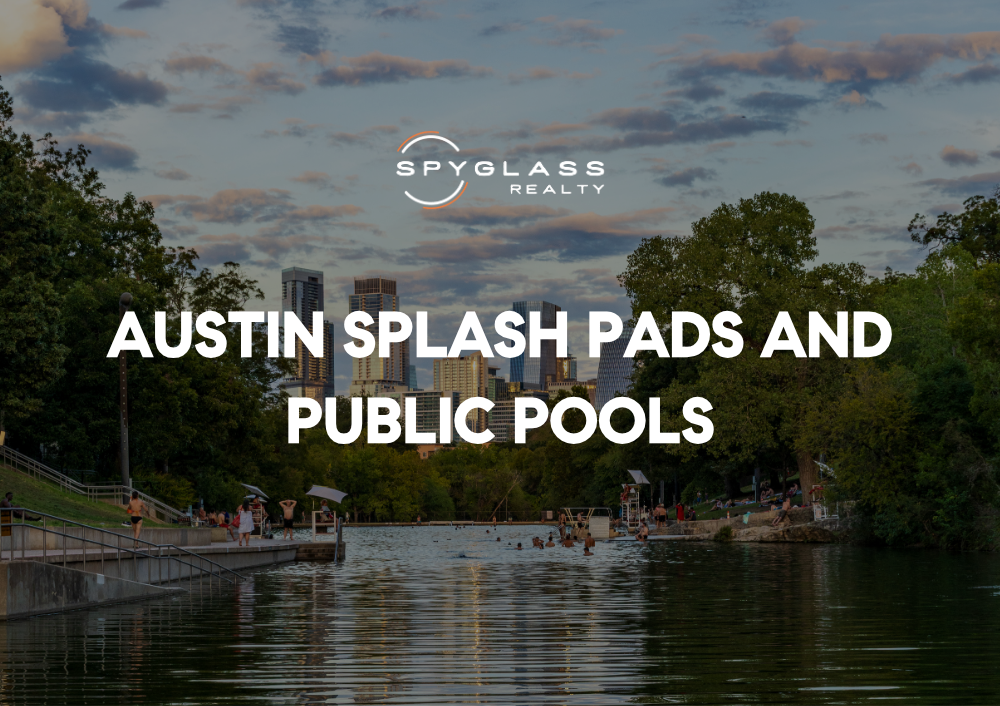
The three spring-fed pools are the crown jewels of the system because the water comes from underground springs and stays cold through the hottest months. Barton Springs Pool near Zilker and the surrounding Barton Hills area is the best known, and it is a short walk from Zilker Park. Deep Eddy, west of downtown, is another spring-fed favorite. These pools trade a heated, controlled experience for genuinely refreshing, naturally chilled water.
Why hours and seasons change
Neighborhood pool schedules shift with the season, staffing, and maintenance closures, so a pool that is open daily in July may run weekend-only hours in the shoulder seasons. Lifeguard availability plays a role too. NBC New York reported that cities across the country have faced lifeguard shortages in recent years that affected which pools could open and when. Always confirm current hours before you load the car.
Best splash pads and pools by area
The best cool-down spot for your family is usually the one closest to home, because a five-minute splash pad you can visit daily beats a destination pool 30 minutes away. Central Austin leans on its spring-fed pools, while the suburbs offer newer neighborhood splash pads and community pools.
Central Austin
If you live in or near Zilker, Barton Hills, or Travis Heights, the spring-fed pools are your anchor. Barton Springs Pool is the centerpiece, and the greenbelt trailheads nearby give older kids a hike-and-swim outing. Central neighborhoods also tend to have older, established city pools within a short drive.
East and North Austin
Families in Mueller and East Austin benefit from newer public spaces with water features designed for young children. Mueller in particular built its parks and gathering areas with families in mind, which makes the area a strong fit if daily water play is a priority. Hyde Park keeps you close to central pools while offering a quieter, walkable feel.
Suburbs and the Hill Country
Master-planned suburbs are where splash pads shine, because many communities include them in shared amenity centers. Families relocating to Cedar Park, Round Rock, Leander, and Georgetown often find neighborhood pools and splash pads a short walk from home. Toward the Hill Country, Dripping Springs and Lakeway pair community pools with easy access to Lake Travis. If a community pool matters to your search, tell your agent early, since amenities vary widely between subdivisions.
Free versus paid: what a cool-down really costs
The cheapest way to cool off in Austin is free: splash pads carry no admission, and even Barton Springs offers free early-morning windows. Paid options add convenience, amenities, or luxury, but you never have to spend money to get your kids in the water.
Free options
City splash pads are free during their operating season, which makes them the go-to for spontaneous afternoons. Barton Springs Pool has free, swim-at-your-own-risk hours from 5 to 8am Friday through Wednesday and 5 to 9am Thursday, per Axios, so early birds can enjoy the springs at no charge. If you want a wilder, no-fee experience, Austin's swimming holes such as Sculpture Falls along the Barton Creek Greenbelt are free but strictly swim-at-your-own-risk.
Paid options
Deep Eddy, the oldest swimming pool in Texas, charges standard city pool admission and opens every day except Tuesday from 8am to 8pm for lap swim and 10am to 8pm for recreational swim. For a splurge, Axios notes that many Austin hotels sell day passes to their pools, which can be a fun rainy-plan alternative or a treat for a birthday. These paid options buy you amenities like concessions, shade cabanas, and guaranteed lap lanes.
Planning around your week
A little planning keeps costs down and stress low, and that same habit helps once you are managing a household in a new city. If you are moving to Austin with young kids, our guide on how to avoid common packing and moving mistakes can smooth the first few weeks so you actually have time to enjoy the pool. Once you are settled, pair a splash pad morning with one of the best downtown Austin brunch spots for an easy family outing.
Toddler-friendly picks and water safety
For babies and toddlers, splash pads beat pools because the water is shallow, there is no drop-off, and there is no gate fee if you only last 20 minutes. That said, splash pads carry their own health risks, so a few simple habits keep the day safe and fun.
Why splash pads suit little ones
Splash pads let toddlers explore water at their own pace without the anxiety of deep water. Because there is no standing water in most designs, the drowning risk is far lower than at a pool, though supervision is still essential on slippery surfaces. Bring water shoes, since the ground can get hot in direct Texas sun.
Guard against waterborne illness
Recreational water can spread Cryptosporidium, a parasite that causes diarrheal illness, and it is a real summer concern at pools and splash pads. Health officials quoted by a Metro Health advisory reported by WOAI stress that alcohol-based hand sanitizers do not kill Crypto, so wash hands with soap and water. Their key rules: do not swallow the water, and keep any child with diarrhea out of the water entirely until they have fully recovered.
General water safety
Basic supervision still matters even in shallow water, and safety experts consistently urge parents to keep eyes on kids and consider swim lessons early. Learn-to-swim programs, like the ones NBC New York highlighted at city pools, build water confidence that pays off for years. Reapply sunscreen, hydrate often, and take shade breaks, since Austin summers can push families past their limits fast.
Frequently asked questions about Austin pools and splash pads
When do Austin public pools open for the season?
Most Austin neighborhood public pools open for the main season around late spring and run through summer, with reduced or weekend-only hours in the shoulder months. Schedules shift year to year based on staffing and maintenance, so confirm the current calendar before you go. The spring-fed pools like Barton Springs near Zilker and Deep Eddy stay open on their own year-round schedules, which is why they are reliable options when neighborhood pools are closed.
Are Austin splash pads free?
Yes, city of Austin splash pads are free to use during their operating season, with no gate and no admission fee. That makes them the most budget-friendly cool-down for families, especially compared to a pool day pass. If you are house-hunting in suburbs like Cedar Park or Leander, ask whether the neighborhood amenity center includes a splash pad, since those are private to residents and add real day-to-day value.
Is Barton Springs or Deep Eddy better for young kids?
Both are spring-fed and cold, but Deep Eddy is often the easier pick for young children because it has a shallow wading area separate from the deeper section. Barton Springs is a natural-bottom pool with a gradual entry and a swim-at-your-own-risk feel that suits stronger swimmers and confident toddlers with close supervision. Families near Barton Hills and Zilker frequently rotate between the two depending on the day and the crowd.
How do I keep my kids from getting sick at the pool?
Teach kids not to swallow pool or splash pad water, wash hands with soap and water rather than sanitizer, and never let a child with diarrhea enter the water. These are the exact steps health officials recommend to prevent Cryptosporidium, which spreads easily in shared recreational water. In Austin's peak summer, when pools and splash pads are packed, these habits matter most at busy central locations like those around Zilker and Deep Eddy.
Putting your family cool-down plan together
Between dozens of city splash pads, seasonal neighborhood pools, and three spring-fed pools that stay cold all summer, Austin gives families a deep bench of ways to beat the heat without spending a dollar. Start with the free splash pad closest to home for weekday afternoons, save the spring-fed pools for weekend outings, and confirm hours before every trip.
If you are relocating with kids, water access can quietly shape which neighborhood fits your family best, so weigh it alongside schools and commute. A splash pad within walking distance turns a brutal August into something your kids look forward to.
Want to find an Austin neighborhood with the pools, splash pads, and family amenities that fit your life? Let's tour a few together.
Talk to a Spyglass AgentDisclaimer: This article is for general educational purposes only and is not legal, tax, or financial advice. Every situation is different. Before making decisions about buying or selling a home, consult with your own real estate professional, lender, tax advisor, and other qualified professionals.