
Key Insights
- Waterloo Greenway Phase Two extends a 1.5-mile, roughly 35-acre chain of connected parkland through downtown Austin along Waller Creek, per the Waterloo Greenway Conservancy.
- New public green space and improved walkability are durable drivers of neighborhood desirability, supporting long-term resale demand for central Austin condos and homes.
- The East Sixth Street corridor is shifting toward pedestrian-first, diversified cultural uses, complementing the greenway and reshaping the downtown experience.
- Buyers near the greenway gain everyday access to trails, lawns, and the Moody Amphitheater, amenities that reduce reliance on driving.
- Investors should view connected parkland as infrastructure that anchors value, since walkable, amenity-rich blocks historically hold appeal across market cycles.
- Neighborhoods like Rainey Street, the Innovation District, East Austin, and Travis Heights sit within easy reach of the expanding greenway.
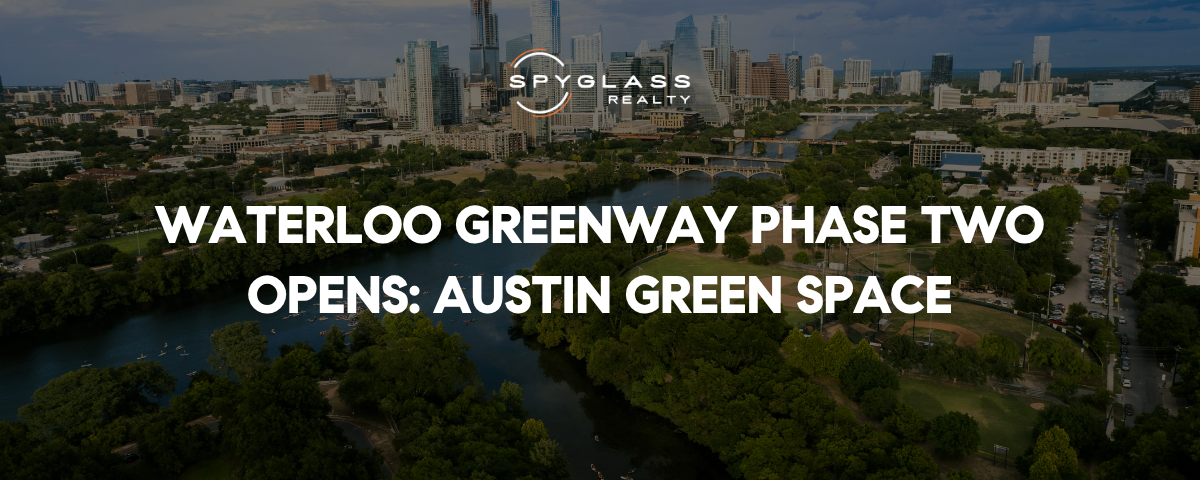
Waterloo Greenway Phase Two opens a new stretch of connected downtown parkland, extending the chain of green space that already runs from Waterloo Park through the heart of Austin along Waller Creek. For central Austin homeowners and buyers, the headline is simple: more walkable, well-designed public space tends to make the surrounding blocks more livable and more durable in value. This is a long-term placemaking story, not a short-term price spike.
According to the Waterloo Greenway Conservancy, the full vision is a 1.5-mile chain of parks covering roughly 35 acres, transforming a former flood-prone creek corridor into a continuous public space. Phase one delivered Waterloo Park and the Moody Amphitheater, and subsequent phases keep stitching the district together. The result is a downtown that is steadily becoming more pedestrian-friendly.
Below, you will find a plain-spoken look at what the expansion includes, how walkable green space tends to influence central Austin desirability, and what it means if you are buying, selling, or investing near the corridor.
What Waterloo Greenway Phase Two Opens for Downtown Austin
Waterloo Greenway Phase Two opens additional connected parkland that links downtown green space into a continuous corridor along Waller Creek, building on the park and amphitheater delivered in phase one. The goal is one walkable system rather than a series of disconnected pocket parks.
From a flood channel to a connected park system
Waller Creek historically carried significant flood risk through this part of downtown, which limited how the surrounding land could be used. The greenway project pairs flood mitigation with public space, turning a constraint into an amenity. As the Waterloo Greenway Conservancy describes it, the district reclaims the creek corridor as a continuous chain of parks for the public.
That dual purpose matters for nearby property. Reduced flood exposure and added green space tend to move in the same direction for neighborhood appeal.
What the expanded space adds for daily life
The expanded greenway adds more trail connections, lawns, gathering areas, and shaded paths that link downtown destinations on foot. Combined with the existing Moody Amphitheater, the corridor supports both quiet everyday use and larger events. If you want a fuller picture of nearby outdoor options, our guide to parks and trails to visit in downtown Austin pairs well with the greenway expansion.
- Continuous trails connecting downtown blocks for walking and biking instead of short, isolated paths.
- Open lawns and gathering space for everyday recreation and programmed events.
- Creek-side landscaping that doubles as flood-resilient infrastructure.
- Access to the Moody Amphitheater within walking distance for nearby residents.
How New Downtown Green Space Affects Central Austin Home Values
New, well-maintained public green space and improved walkability are generally durable drivers of neighborhood desirability, which supports resale demand over time. The effect tends to be gradual and steady rather than sudden, and it rewards proximity to the corridor.
Why walkability tends to support value
When residents can reach parks, trails, dining, and entertainment on foot, blocks become more livable and less dependent on a car. That broad appeal widens the pool of future buyers and renters, which helps support demand across market cycles. In dense central Austin, where parking and traffic are real constraints, walkable amenities carry extra weight.
Public space also shapes the character of a neighborhood in ways that are hard to replicate. A continuous greenway is essentially permanent infrastructure, not a temporary perk.
Proximity matters more than a downtown ZIP code
Being a short, pleasant walk from the greenway is more valuable than simply being downtown. A unit with an easy route to trails, lawns, and the amphitheater offers a lifestyle that buyers can feel on a first visit. If you are weighing a high-rise purchase, our overview of what buyers should know about downtown Austin condos covers how amenities, views, and HOA structures factor into value.
A measured expectation, not hype
It is worth keeping expectations grounded. A new park does not erase broader market forces like interest rates, supply, and overall demand. What it does is strengthen the underlying case for a location, which can matter most when conditions soften and buyers become more selective about quality of place.
The East Sixth Street Corridor and Walkable Placemaking
East Sixth Street is gradually shifting toward a more pedestrian-first, culturally diversified district, which complements the greenway and reshapes how people move through downtown. The two efforts together point toward a more walkable, amenity-rich core.
A more diversified downtown experience
Efforts highlighted by the Downtown Austin Alliance point toward a corridor with a wider mix of daytime and evening uses, not just late-night bars. A more balanced blend of dining, retail, culture, and public space tends to draw a broader range of residents and visitors. That diversification is part of what makes downtown feel livable around the clock.
Connecting parks, streets, and destinations
When green space and street improvements work together, the result is a network that is easy and pleasant to navigate on foot. The greenway adds the connective tissue, while corridor improvements give people destinations along the way. For ideas on filling those walkable days and nights, our roundups of things to do in downtown Austin and the best rooftop bars downtown show how dense the options already are.
Placemaking like this rarely finishes overnight. The trajectory, however, is consistent: a downtown built more around people on foot than cars passing through.
What This Means for Buyers, Sellers, and Investors
For buyers, the greenway adds a tangible, permanent lifestyle amenity. For sellers, it strengthens the location story. For investors, connected parkland functions like long-term infrastructure that anchors value.
For buyers
If you value walkability, focus on the walking route, not just the map distance. Test the actual path to the greenway, including crossings, shade, and grade, since a five-minute pleasant walk beats a ten-minute unpleasant one. Confirm HOA fees, building amenities, and any assessments before you fall for a view.
For sellers
If your home or condo sits near the corridor, make the lifestyle concrete in your marketing. Describe the specific walk to the trail, the amphitheater, and nearby dining rather than relying on the word walkable. Buyers respond to a clear, easy-to-picture daily routine.
For investors
Treat connected green space as a long-horizon factor that supports both rentability and resale. Walkable, amenity-rich blocks tend to attract steady tenant demand and hold appeal when buyers turn cautious. Pairing location analysis with data tools, as we discuss in our look at applications of big data in real estate, can sharpen how you compare opportunities near the corridor.
Central Austin Neighborhoods Near the Greenway
Several central Austin neighborhoods sit within easy reach of the expanding greenway, ranging from dense downtown high-rises to walkable residential pockets just east and south. Proximity, character, and price vary widely, so the right fit depends on your priorities.
Downtown and the east side
Downtown condos and the blocks immediately around Waller Creek offer the most direct greenway access, with the trade-off of higher density and HOA-driven living. Just across the interstate, East Austin blends historic homes, new builds, and a strong food and music scene within reach of the corridor. Both areas reward buyers who want to live without leaning on a car.
South of the river
Neighborhoods like Travis Heights and South Congress sit just across Lady Bird Lake, connecting to downtown via the hike-and-bike trail system. They offer a more residential feel while keeping the walkable urban core close. For families, our guide to fun activities for kids in and around downtown Austin shows how much is reachable from these areas.
Established central pockets
A bit farther out, Hyde Park and Tarrytown offer leafy, established streets with their own parks and a short drive to downtown. They appeal to buyers who want central convenience with a quieter, more residential pace. Each neighborhood carries a distinct price point and inventory profile worth comparing directly.
Frequently Asked Questions
Does new park space like Waterloo Greenway actually raise home values?
New, well-maintained public green space and improved walkability are generally durable drivers of neighborhood desirability, which supports resale demand over time. The effect tends to be gradual and tied to how close and how walkable a property is to the corridor, rather than a sudden price jump. In dense central Austin, where parking and traffic are real constraints, easy access to trails and lawns carries meaningful weight with buyers.
What is Waterloo Greenway and where is it in Austin?
Waterloo Greenway is a chain of connected parks running through downtown Austin along Waller Creek. According to the Waterloo Greenway Conservancy, the full vision is a 1.5-mile, roughly 35-acre system that pairs flood mitigation with public space, and phase one delivered Waterloo Park and the Moody Amphitheater. It links the eastern edge of downtown toward Lady Bird Lake, near neighborhoods like the Rainey Street district and East Austin.
Is downtown Austin a good place to buy a condo near the greenway?
It can be, especially if walkability and low car dependence are priorities for you, since the greenway adds permanent public space within walking distance of many downtown buildings. The key is to verify the actual walking route, HOA fees, building amenities, and any assessments before committing. A local agent can help you compare specific buildings near the corridor against options in East Austin or Travis Heights.
How does the East Sixth Street corridor connect to the greenway?
The East Sixth Street corridor is shifting toward more pedestrian-first, culturally diversified uses, which complements the greenway by giving people destinations along walkable routes. Together, the park system and street improvements create a more connected, foot-friendly downtown rather than isolated pockets. For central Austin residents near both, that means more places to walk to and a stronger overall sense of place.
The Bottom Line for Central Austin
Waterloo Greenway Phase Two opens another piece of a long-term effort to make downtown Austin more walkable, greener, and more livable. For homeowners and buyers, the value lies in permanent public infrastructure that strengthens a location, even as broader market conditions ebb and flow.
Whether you are eyeing a downtown high-rise, an East Austin bungalow, or a quieter central pocket, the greenway is one more reason these blocks tend to hold broad appeal. The smart move is to weigh proximity, walking routes, and ownership costs against your own goals.
If you want help thinking through what the expanding greenway means for a specific building or neighborhood, a local advisor can walk you through the trade-offs without pressure.
Want help figuring out which new-home tier and community fit your budget and goals across the Austin metro? Let's talk through your options.
Talk to a Spyglass AgentDisclaimer: This article is for general educational purposes only and is not legal, tax, or financial advice. Every situation is different. Before making decisions about buying or selling a home, consult with your own real estate professional, lender, tax advisor, and other qualified professionals.