


Key Insights
- In Austin's $500,000 to $600,000 band, 61.43% of listings have cut price, with a median reduction of $18,000, about 6.35%, per recent Austin market reports.
- An $18,000 price cut trims principal and interest by roughly $111 a month at 7.28% with 10% down, recovering about three quarters of recent rate increases.
- Between 80% and 90% of new home sales now require a mortgage rate buydown to close, according to recent lender reporting citing NAHB data.
- Nearly half of U.S. home sales in August included a seller concession, 44.7%, up from 42.6% a year earlier, the highest August share on record.
- Seller credits for a buydown often share one 6% pool with closing costs, so total the entire package before signing a contract.
- A permanent buydown uses points at closing to lower the rate for the life of the loan, while a temporary 2-1 buydown resets after two years.
- Austin's $500,000 to $600,000 tier carries a 71-day median days on market, the shortest of any price tier in recent local reports.
When it comes to price cut vs. rate buydown for Austin home sellers, the short answer is that a seller-funded buydown often moves the needle a buyer actually feels every month, while a straight price cut quietly disappears into the loan balance. In a market where builders down the road are advertising incentives, competing on the monthly payment can be more persuasive than shaving the sticker price. The right move depends on your buyer's loan, your equity, and how long your home has been sitting.
This is one of the most common questions we hear from sellers in the $500,000 to $600,000 range, where resale homes sit side by side with heavily incentivized new construction. The honest answer is that both tools can work, but they work differently, and most sellers reach for the price cut first simply because it is familiar.
Below is a calm, data-grounded look at how the two strategies compare, what the numbers really say in Austin right now, and how to structure a buydown so it works for your net proceeds and your buyer's approval.
Price Cut vs. Rate Buydown for Austin Home Sellers: Which Wins?
A price cut lowers your list number and slightly reduces the buyer's loan and payment. A rate buydown uses a seller credit to lower the buyer's interest rate, which usually delivers a larger monthly payment reduction per dollar spent. For many Austin buyers shopping on affordability, the payment is what unlocks the purchase.
| Factor | Price Cut | Rate Buydown |
|---|---|---|
| What it changes | List price and loan balance | Buyer's interest rate and monthly payment |
| Monthly impact example | About $111 less on an $18,000 cut | Larger payment relief per dollar spent |
| How buyers perceive it | Lower sticker, modest payment change | Lower payment they feel immediately |
| Duration | Permanent change to loan size | Temporary or permanent, depending on structure |
| Best for | Price-sensitive, appraisal-focused buyers | Payment-sensitive, qualification-focused buyers |
Why the monthly number matters more right now
In Austin's $500,000 to $600,000 band, recent Austin market reports show 61.43% of listings have already cut their price, the highest share of any tier, with a median cut of $18,000, roughly 6.35%. That tells you most of your competition has used the obvious lever. When nearly everyone has discounted, a buydown lets you stand out by competing on affordability instead of simply joining the race to the bottom on price.
When a price cut still makes sense
A price cut remains the cleaner tool when your home is simply priced above the market, when an appraisal gap is likely, or when your buyer is paying cash. In those cases, no rate reduction fixes a number that is out of alignment. A thoughtful pricing conversation, like the one covered in our guide on presenting feedback to sellers and setting the right price, should come before you reach for any incentive.
Why Austin Resale Sellers Compete Against Incentivized New Construction
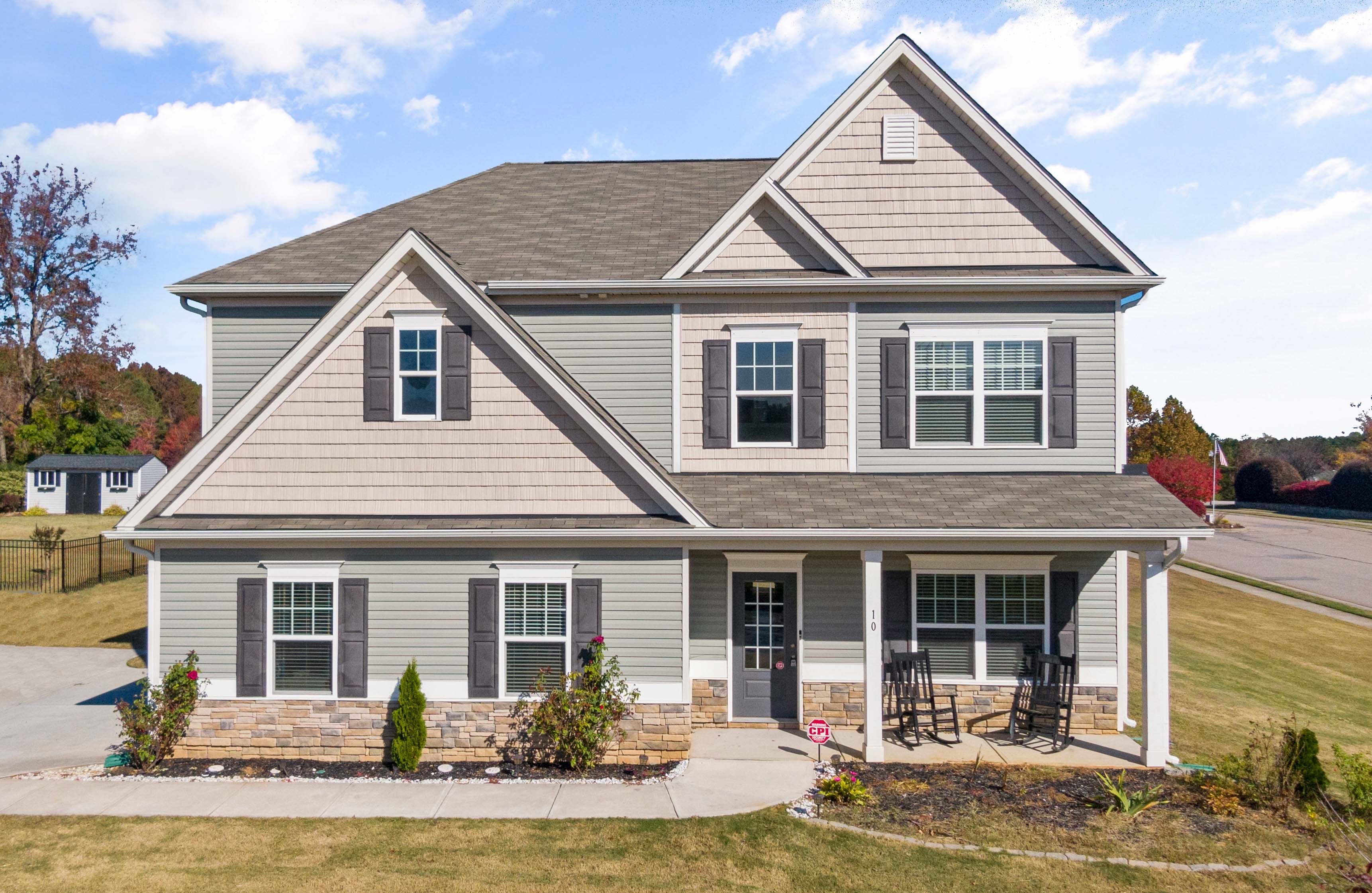
Builders have leaned heavily on rate buydowns, not just price cuts, to move inventory. That reshapes what a buyer expects when they tour your resale home right after visiting a model home across the highway.
How aggressive builder incentives have become
Between 80% and 90% of new home sales now require a mortgage rate buydown to close, according to recent lender analysis citing NAHB and Wells Fargo Housing Market Index data. Builders have effectively shifted homes from for sale to on sale, pairing price cuts with buydowns and closing cost help. If you are a resale seller in the same corridor, your buyer has likely already been quoted a below-market rate next door.
What that means for your resale listing
You do not have a builder's margin, but you can borrow the builder's playbook within the limits of the buyer's loan. Offering a credit toward points lets you answer the one objection new construction keeps raising, which is the monthly payment. If you want context on how builder incentives are structured, our overview of what every buyer should know about Austin new construction is a useful companion read.
Seller concessions are rising nationally
Nearly half of U.S. home sales in August included a seller concession, 44.7%, up from 42.6% a year earlier and the highest August share on record. Seller concessions cover closing costs, repairs, and mortgage rate buydowns, and they can be structured specifically to fund points. This is a national backdrop, but it shapes buyer expectations in growing submarkets like Cedar Park and Leander, where new construction is plentiful.
How a Seller-Funded Rate Buydown Actually Works
A seller-funded buydown is a credit you offer that the buyer applies toward lowering their interest rate. It comes in two main forms, temporary and permanent, and each changes the buyer's payment in a different way.
Temporary buydowns, like the 2-1
A temporary buydown lowers the rate for the first few years, then returns to the note rate. On a 2-1 buydown, the rate is reduced by two points in year one and one point in year two before settling at the full rate in year three. A temporary buydown can give a buyer breathing room early, but it has rules worth understanding, as laid out in this FHA 2-1 buydown guide covering costs and limits.
Permanent buydowns
A permanent buydown uses points paid at closing to lower the rate for the entire life of the loan. With enough points, a buyer can lock a 30-year fixed rate in the high 5s for all 30 years, which is a meaningful contrast against forecasts from the Mortgage Bankers Association and Fannie Mae that the 30-year will average 6.7% to 6.8% for the rest of the year. For a buyer planning to stay long term, the permanent version often delivers the most durable value.
The 6 percent pool to watch
On many loans, your buydown credit shares one 6 percent pool with the buyer's closing costs, prepaid items, and points. If you offer more than the loan program allows, the excess can be wasted. The practical step is to total every seller dollar in one list, then compare it against 6 percent of the price before anyone signs. For the mortgage mechanics behind all of this, our Austin home loans guide to mortgage options and rates is a helpful reference.
Running the Numbers in Austin's $500,000 to $600,000 Band
The numbers explain why payment-first thinking has traction right now. An $18,000 price cut at 7.28% with 10% down trims principal and interest by only about $111 a month, which recovers roughly three quarters of recent rate-driven payment increases. A buydown credit of similar size often buys a larger monthly reduction, especially on the buyer's first years.
The $500,000 to $600,000 tier in detail
This band has the shortest median days on market of any tier in recent Austin reports, at 71 days, though that figure measures active listings rather than completed sales. With 61.43% of listings already cut at a median of $18,000, the discounting lever is well worn. A buydown is the differentiator left on the table.
The $300,000 to $400,000 tier for comparison
One tier down, the $300,000 to $400,000 band holds 4,006 active listings, with 59.46% of them cut at a median reduction of $19,790. The pattern is consistent across tiers, which is that buyers are shopping on the full monthly number, not the list price alone. If your home competes in either band, the strategic question is the same, which is whether a credit toward payment relief outperforms another round of price reductions.
Factor in taxes and net proceeds
Both strategies reduce your net, so model them against your actual walk-away number, not a headline figure. Austin buyers also weigh carrying costs like property taxes, which is why our breakdown of the 2025 Austin property tax rate and exemptions matters to how a buyer sees total monthly cost. Interest rate movement is its own variable, and the factors that impact mortgage rates will shape how attractive a buydown looks week to week.
How to Structure a Buydown Offer Without Overspending
A buydown only works if it is written clearly and sized to the loan limits. Done well, it keeps your net proceeds predictable and gives the buyer a payment they can qualify for.
- Qualify the buyer at the full payment first. Ask the lender to run numbers at the note rate before any offer, since a buydown does not change that underwriting answer.
- Write the buydown into the contract. Name it as a seller credit and state the exact dollar amount going into the buydown account.
- Add up every seller dollar. Put the buydown, closing costs, prepaid items, and points in one list, then compare the total against the loan program's concession cap.
Decide temporary versus permanent with the buyer in mind
A buyer who expects to refinance or move within a few years may value a temporary 2-1 buydown. A buyer planning to stay in a community like Round Rock or Georgetown long term may prefer the permanent version that holds for 30 years. Matching the structure to the buyer's horizon makes your credit more persuasive.
Market the payment, not just the price
If you fund a buydown, your listing should communicate the resulting monthly payment, because that is the number competing against the builder down the street. Sellers who understand local conditions, as outlined in our note on what Travis County sellers need to know, tend to position incentives more effectively. A clear payment story turns an abstract credit into a reason to write the offer.
Frequently Asked Questions
Is a price cut or a rate buydown better for selling a home in Austin?
It depends on your buyer, but a rate buydown often delivers more felt payment relief per dollar than a price cut, which is why it stands out when 61.43% of listings in the $500,000 to $600,000 band have already discounted. A price cut is cleaner when your price is simply above market or an appraisal gap is likely. In corridors near heavy new construction, such as Cedar Park and Leander, competing on monthly payment usually resonates more with Austin buyers.
How much does a rate buydown cost an Austin seller?
The cost depends on how many points you fund and the loan size, and it shares one 6 percent pool with the buyer's closing costs and prepaids on many programs. Because of that cap, the smart move is to total every seller dollar before signing so none of your credit is wasted. A local lender can price a buydown precisely for an Austin property in your target band, whether that is a resale in Pflugerville or a home near the growing suburbs.
What is the difference between a temporary and permanent rate buydown?
A temporary buydown lowers the rate for the first few years and then returns to the note rate, while a permanent buydown uses points at closing to lower the rate for the full life of the loan. With enough points, a permanent buydown can lock a 30-year fixed in the high 5s, well under current forecasts in the high 6s. For long-term buyers settling in Georgetown or Round Rock, the permanent option often provides more durable value.
Can a resale seller offer a rate buydown like a builder?
Yes. A resale seller can fund a buydown through a seller credit written into the contract, the same mechanism builders use, as long as it stays within the buyer's loan concession limits. With 80% to 90% of new home sales now requiring a buydown to close, matching that approach helps resale homes compete on payment. It is a practical equalizer for Austin sellers facing incentivized inventory in the same submarket.
Will a buydown help my home sell faster in Austin?
A buydown can broaden your buyer pool by improving affordability, which matters in a band where the median days on market sits at 71, the shortest of any tier but still measured on active listings. It works best when paired with accurate pricing and marketing that leads with the resulting monthly payment. For Austin and Travis County sellers weighing it against another price cut, modeling both against your net proceeds is the clearest way to decide.
The Bottom Line for Austin Sellers
Both a price cut and a rate buydown can be valid, and the better choice turns on your buyer's loan, your equity, and the competition around you. When most of your tier has already discounted, as 61.43% of homes in the $500,000 to $600,000 band have, a buydown lets you compete on the monthly payment rather than joining another round of price reductions.
The most intentional sellers model both strategies against their net proceeds, qualify the buyer at the full payment first, and then market whatever credit they offer in terms of a clear monthly number. That is how a resale home holds its own against incentivized new construction.
Want to compare a price cut against a seller-funded buydown on your specific home and net proceeds?
Talk to a Spyglass AgentDisclaimer: This article is for general educational purposes only and is not legal, tax, or financial advice. Every situation is different. Before making decisions about buying or selling a home, consult with your own real estate professional, lender, tax advisor, and other qualified professionals.