
Key Insights
- Q2 Stadium seats 20,738 fans and sits in North Austin near McKalla Place, putting nearby homeowners within walking or short-drive distance of Austin FC match days.
- Austin FC named two-time MLS Coach of the Year Jim Curtin as head coach, a stability signal that keeps the venue a long-term neighborhood anchor and lifestyle draw.
- The stadium sits beside The Domain, North Austin's major retail, dining, and tech employment hub, layering pro sports onto an already walkable mixed-use district.
- Match-day traffic concentrates on roughly 17 home dates plus concerts, so buyers should test commute routes and parking before committing to a nearby address.
- Neighborhoods like Mueller, North Burnet, and suburbs along the rail line in Leander and Cedar Park offer different balances of price, quiet, and stadium access.
- For investors, event-anchored locations near transit and The Domain can support steady rental demand from relocating tech workers and young professionals.
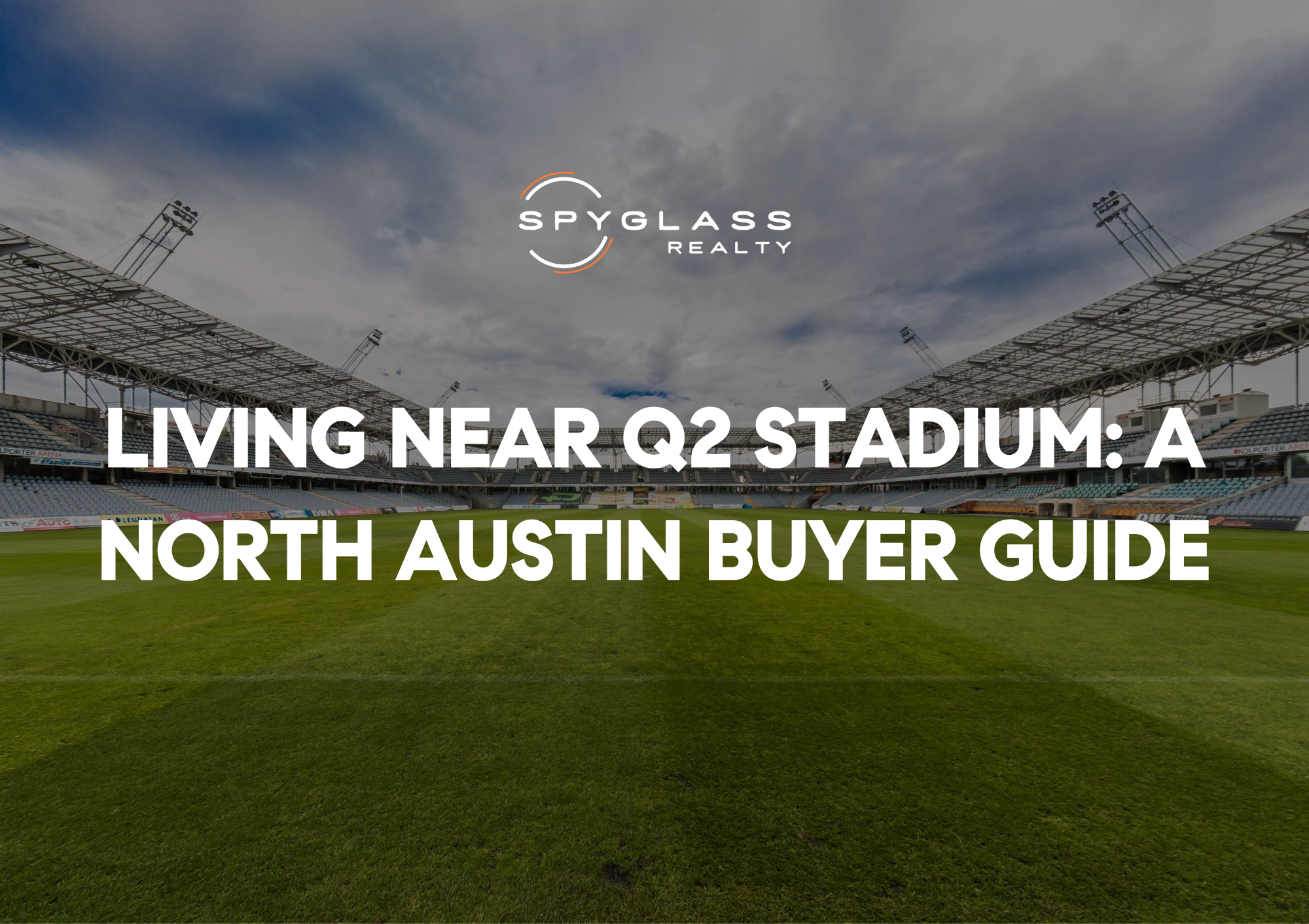
Living near Q2 Stadium means choosing a North Austin lifestyle built around a permanent pro sports anchor, walkable retail at The Domain, and a venue that draws tens of thousands of people on match days. Q2 Stadium opened in 2021 as the home of Austin FC and seats 20,738 fans, according to Q2 Stadium's official venue information. That kind of established attraction shapes everyday life for surrounding homeowners, from event nights and traffic patterns to dining options and long-term demand.
The club recently entered a new chapter by naming two-time MLS Coach of the Year Jim Curtin as its head coach, a move announced through Austin FC that signals stability and ambition after a difficult season. For buyers weighing North Austin, a steady, well-run pro franchise reinforces the area's identity rather than introducing uncertainty.
This guide walks through what living near the stadium actually feels like, which neighborhoods fit different budgets and priorities, how match-day logistics work, and what the area means for buyers, sellers, and investors. The goal is to help you make a clear-eyed decision, not to sell you on the hype.
What is it really like living near Q2 Stadium?
Living near Q2 Stadium combines the energy of event nights with the everyday convenience of one of Austin's densest job and retail corridors. Most days the area feels like a modern mixed-use district, and on roughly 17 regular-season home dates plus playoff matches and concerts, the neighborhood comes alive with crowds, music, and foot traffic.
The everyday lifestyle
The stadium sits beside The Domain, North Austin's hub for shopping, restaurants, and major tech employers. That means you can walk or drive a few minutes for groceries, a workout, dinner, or office space without leaving the area. For many residents the appeal is having city-style amenities without committing to the density of downtown.
You also get a built-in social calendar. Match days bring tailgating, supporter groups, and a festive atmosphere that turns an ordinary Saturday into a neighborhood event, which many buyers value as part of the lifestyle they are buying into.
Noise, lights, and crowds
Honesty matters here. Closer to the stadium you will notice crowd noise, occasional fireworks, and elevated activity on event nights, especially during evening matches and concerts. A few blocks of buffer can make a meaningful difference, so it pays to consider how close you actually want to be.
If quiet evenings are a priority, you can still enjoy stadium proximity while living in a calmer pocket of North Austin or a nearby suburb with quick highway access. Our overview of living in North Austin neighborhoods, home prices, and lifestyle can help you compare the tradeoffs in more detail.
Which neighborhoods are best for living near Q2 Stadium?
The best neighborhood depends on whether you prioritize walkability, quiet, price, or commute. Options range from dense mixed-use living right by The Domain to planned communities and suburbs a short drive north along the highway and rail corridors.
North Burnet and The Domain area
The closest living option is the North Burnet and Domain district itself, where condos, apartments, and townhomes put you steps from retail, dining, and the stadium. This area suits buyers who want true walkability and an urban feel without downtown prices and congestion. Expect higher density and a lifestyle centered on convenience.
Mueller and central-north options
A short drive away, Mueller offers a master-planned, pedestrian-friendly community with parks, a farmers market, and a strong neighborhood identity. It delivers a more residential feel while keeping you within easy reach of the stadium and central Austin. Buyers who want community amenities and architecture-forward homes often gravitate here.
Northwest Austin and suburban access
If you want more space and a quieter setting, look at northwest pockets and suburbs like Cedar Park, Leander, Round Rock, and Georgetown. These communities trade walk-to-stadium access for larger lots, newer construction, and family-oriented amenities, while staying connected by highway and rail. Our guide to the best neighborhoods in Northwest Austin breaks down those options.
How do match-day traffic and parking affect daily life?
Match-day traffic concentrates around start and end times on event nights, so the impact is predictable rather than constant. With smart route planning and use of transit, most residents adapt quickly, but it is worth testing before you buy.
What to expect on event nights
On roughly 17 regular-season home matches plus concerts and playoff games, expect heavier traffic on Burnet Road, Braker Lane, and nearby arterials in the hours surrounding events. Street parking restrictions and increased ride-share activity are common close to the venue. If your home is within a few blocks, build a little extra time into your evening commutes on those dates.
Transit and walkability advantages
North Austin's location near a regional rail line and major highways gives nearby residents real alternatives to driving on busy nights. Walking or biking to matches is one of the genuine perks of living close, since you skip the parking hunt entirely. Buyers relocating from larger cities often find the logistics far easier than they expect.
Before you commit, drive your prospective route during a scheduled match. Testing the real conditions, rather than a quiet Tuesday afternoon, gives you the clearest picture of daily life near the stadium.
Is living near Q2 Stadium a good investment?
Event-anchored locations near transit and major employment can support steady demand, which is attractive for both long-term homeowners and investors. A stable, well-run franchise reinforces the area's identity, and the recent hiring of an experienced head coach signals that the stadium will remain a fixture for years.
Why proximity supports demand
Homes near The Domain and the stadium benefit from a concentration of jobs, dining, and entertainment that appeals to young professionals and relocating tech workers. That mix tends to keep both for-sale and rental interest healthy. A permanent venue adds a lifestyle differentiator that pure office districts lack.
Considerations for investors
If you are buying to rent, weigh the appeal of walkability and event access against potential tenant turnover and any HOA or short-term rental rules. Properties with quick transit and stadium access can command interest, but local regulations vary by neighborhood. Our breakdown of Austin rental property investing and top neighborhoods covers the income side in depth.
For buyers moving from out of state, the broader picture matters too. Our guide to relocating to Austin walks through jobs, housing, and costs so you can see how a stadium-adjacent home fits your overall plan.
What should buyers check before buying near the stadium?
Before buying near Q2 Stadium, confirm the distance to the venue, test event-night traffic, and review any community rules that affect daily living. A short checklist helps you separate the lifestyle upside from the practical tradeoffs.
- Distance buffer Decide how close you want to be, since a few blocks meaningfully changes noise and parking pressure on event nights.
- Commute test Drive your route during a scheduled match or concert to experience real traffic, not a quiet afternoon.
- Parking rules Check whether your street has event restrictions and whether the home includes dedicated parking.
- HOA and rental policies Confirm any restrictions if you plan to rent the property short or long term.
- Resale appeal Consider how the same proximity that excites you might read to a future buyer who prefers quiet.
Match the home to your stage of life
A young professional may love walking to matches and dining at The Domain, while a family might prefer a quieter suburb with quick highway access on game days. Neither choice is wrong, and North Austin's range of neighborhoods means you can prioritize what matters most to you. Be honest about how often you will actually attend events versus simply enjoying the area's energy.
Work with someone who knows the corridor
A local agent can point you to the specific blocks and buildings that balance access with livability, and flag the ones where noise or parking might frustrate you. That neighborhood-level knowledge is hard to replicate from listing photos alone.
Frequently asked questions
Is living near Q2 Stadium noisy?
Living near Q2 Stadium is generally quiet on non-event days, with noticeable crowd noise, music, and activity concentrated on roughly 17 home matches plus concerts. The closer you are, the more you will hear, so a few blocks of buffer makes a real difference. Many residents in North Austin and nearby Mueller find the event-night energy a feature rather than a drawback.
How far is Q2 Stadium from The Domain?
Q2 Stadium sits directly beside The Domain in North Austin, making it one of the most walkable major sports venues in the metro. That adjacency lets residents combine match days with shopping, dining, and tech-sector employment in the same district. It is a key reason buyers consider the North Burnet and Domain area so convenient.
What neighborhoods are closest to Q2 Stadium?
The closest residential options are in the North Burnet and Domain district, with condos and townhomes within walking distance of the venue. Slightly farther, master-planned Mueller and the northwest suburbs of Cedar Park, Leander, and Round Rock offer quieter settings with quick access. Your ideal choice depends on whether you value walkability or more space and calm.
Does living near a stadium affect home value in Austin?
Living near a stadium can support demand because of the lifestyle, walkability, and event access it offers, especially in a job-rich corridor like North Austin near The Domain. The effect varies by exact location, since the same proximity that excites one buyer may concern another who prefers quiet. A local Austin agent can help you weigh how a specific address may read to future buyers.
The bottom line on living near Q2 Stadium
Living near Q2 Stadium puts you at the center of one of North Austin's most dynamic corridors, blending pro soccer, The Domain's amenities, and strong job access into one walkable area. The recent hiring of an experienced head coach reinforces that the venue will remain a long-term neighborhood anchor.
The right fit comes down to how close you want to be, how you feel about event-night activity, and whether walkability or quiet space matters more to your stage of life. North Austin offers options across that spectrum, from condos by the stadium to family suburbs a short drive away.
Take the time to test the area on a match day, review community rules, and compare neighborhoods before deciding. With clear expectations, stadium proximity can be a genuine lifestyle win.
Curious whether a home near Q2 Stadium fits your lifestyle and budget? Let's talk through your options.
Talk to a Spyglass AgentDisclaimer: This article is for general educational purposes only and is not legal, tax, or financial advice. Every situation is different. Before making decisions about buying or selling a home, consult with your own real estate professional, lender, tax advisor, and other qualified professionals.