
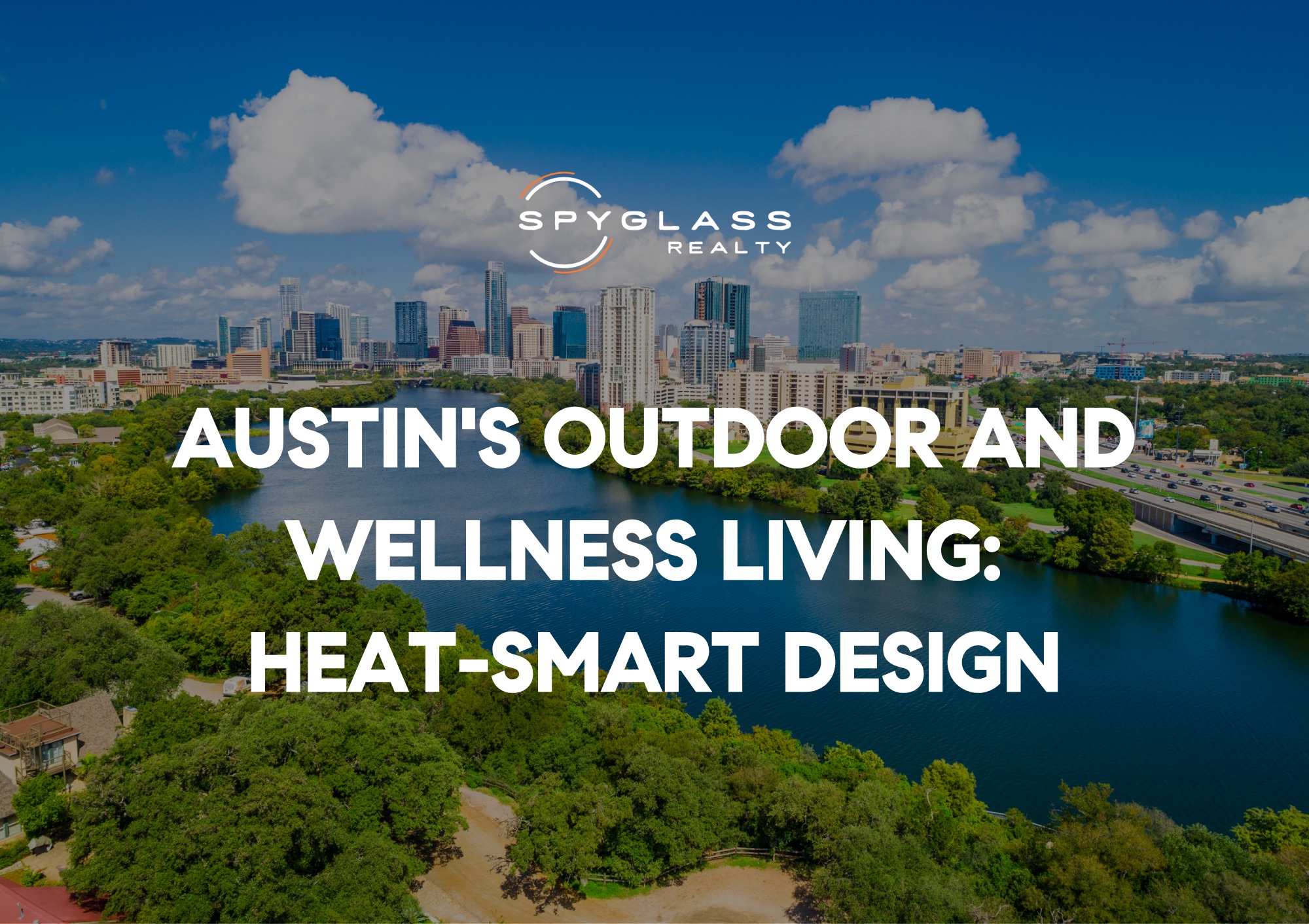
Austin's Outdoor and Wellness Living comes down to one practical question: how do you build the relaxed, experience-rich spaces shaping 2026 design while respecting the realities of Central Texas heat? The short answer is to prioritize shade, durable natural materials, and calm, purpose-built zones that you can actually use from spring through fall. When you design for the climate first and the trend second, you get spaces that feel good every day and hold their value when you sell.
National design conversations heading into 2026 keep circling the same themes: the home as a place to unwind, outdoor areas treated as true living rooms, and warm, grounded textures replacing cold minimalism. Those ideas translate beautifully to Austin, but only if you account for triple-digit afternoons, intense sun exposure, and long dry stretches.
This guide walks through how to adapt those trends for our climate, where to spend for lifestyle and resale, and what local buyers actually respond to. Whether you plan to stay for years or list within a season, the goal is the same: smart, lasting upgrades.
What does Austin's Outdoor and Wellness Living actually mean for Central Texas homes?
Austin's Outdoor and Wellness Living means designing exterior and restorative spaces that you can use comfortably despite long, hot summers, not just copying photos from cooler climates. The defining constraint here is heat, so shade and material durability come before aesthetics.
The 2026 trend toward slower rituals and the home as a retreat is a natural fit for how Austinites already live. We spend mornings on patios, evenings around a fire, and weekends on the water or the trail. The trick is engineering those experiences so they survive August.
The trend: experience over square footage
Recent design reporting heading into 2026 emphasizes experience-driven spaces, where how a room makes you feel matters more than how large it is. In Austin, that often shows up as a covered patio that functions as a second living room. Buyers increasingly treat usable outdoor square footage as part of the home, not a bonus.
Why heat changes the playbook
A west-facing patio with no shade in a national magazine looks inviting. In Austin, it can be unusable from June through September. Orientation, overhangs, fans, and shade structures are what turn a beautiful space into a daily-use space. Start by mapping where sun hits your yard at different times before you commit to a layout, and see our practical walkthrough on how to design the perfect outdoor space.
Who this matters to most
Sellers benefit because outdoor and wellness features photograph well and help a listing stand out. Long-term owners benefit because these upgrades raise daily quality of life. Investors benefit because functional, low-maintenance outdoor space supports both rentability and resale across the Austin metro.
How do you design heat-smart outdoor living rooms in Austin?
Design heat-smart outdoor living by leading with shade and airflow, then layering in durable materials and flexible zones. A covered structure with ceiling fans, the right orientation, and heat-tolerant surfaces is the foundation everything else builds on.
Without shade and air movement, even premium furniture and finishes go unused for months. Get the bones right and the rest follows.
Shade structures that earn their keep
Covered patios, pergolas with adjustable louvers, and deep roof overhangs are the workhorses of Austin outdoor design. Add high-volume ceiling fans and you extend usable hours well into a summer evening. Retractable shades on west and south exposures help block the harshest late-day sun.
- Covered patio or porch: the single highest-impact feature for daily use and resale in Central Texas.
- Louvered pergola: lets you control sun and rain over a dining or lounge zone.
- Outdoor ceiling fans: move air on still, humid evenings and make 90-degree nights tolerable.
- Shade trees: native species deliver cooling that no structure can match over time.
Materials that survive Texas sun
Warm, grounded materials are central to the 2026 look, and many of them happen to perform well here. Natural stone, porcelain pavers, and limestone stay cooler underfoot and resist fading. Powder-coated metal and performance-grade outdoor fabrics hold up to UV exposure far better than untreated wood or cheap textiles.
Outdoor kitchens and dining zones
Austinites love to gather and eat outside, a habit reflected in our roundup of the best outdoor dining in Austin. Bringing that experience home with a built-in grill, prep counter, and shaded dining table makes a backyard feel like a destination. Keep the cooking zone shaded and the dining zone breezy for the best summer results.
Which wellness features support slower rituals at home?
Wellness features that support slower rituals include cold plunges, saunas, meditation and yoga nooks, quiet garden zones, and spa-style bathrooms. The 2026 trend treats the home as a place to decompress, and these spaces make that intentional rather than accidental.
You do not need a full renovation to add wellness. Many of the most meaningful changes are about carving out calm, dedicated space and choosing soothing materials.
Cold plunges, saunas, and recovery
Recovery-focused features have moved from the gym to the backyard. A cold plunge or stock-tank style plunge pool pairs naturally with Austin's active, outdoor culture. A small sauna tucked near a shaded patio rounds out a contrast-therapy routine that fits the slower-ritual mindset.
Quiet zones and biophilic touches
Grounded, nature-forward design is everywhere in the 2026 forecasts, and it overlaps with wellness. A reading nook framed by plants, a shaded meditation corner, or a small water feature for ambient sound all create calm. These touches echo the warm-material, biophilic direction we cover in our look at new interior design trends.
Connecting indoors to outdoors
Large sliding or folding glass doors blur the line between a living room and a covered patio, which is exactly what the experience-driven trend calls for. In Austin, the key is pairing that openness with good shading and efficient glass so you are not fighting the AC. Done well, the result is a seamless flow that feels generous without spiking your energy bills.
How should you landscape for Central Texas heat and drought?
Landscape for Central Texas heat by choosing native and drought-tolerant plants, reducing thirsty turf, and using mulch and efficient irrigation. This approach looks intentional, cuts water use, and stays attractive through long dry summers.
Lush lawns that demand constant watering tend to struggle here and signal high maintenance to buyers. A well-planned native landscape does the opposite.
Native and adapted plants
Texas natives and well-adapted species handle our heat and clay-to-limestone soils with far less fuss. Think native grasses, salvias, agave, Texas sage, and shade trees like live oak and cedar elm. These plants reward you with structure and color while sipping water.
Smart water and hardscape
Drip irrigation, smart controllers, and thick mulch beds protect roots and stretch every gallon. Replacing some turf with gravel paths, decomposed granite, or stone patios reduces watering while adding usable outdoor surface. Rainwater collection is a meaningful upgrade for buyers who value sustainability.
Designing the yard as an experience
A great yard invites you to slow down and stay outside, which dovetails with how Austinites use their weekends exploring the best outdoor activities around Austin. Layer in seating areas, a fire feature for cooler months, and pockets of shade so the space works across seasons. The goal is a landscape that feels like part of your living area, not just a view.
Where do these upgrades pay off most across the Austin metro?
Outdoor and wellness upgrades pay off most where buyers already expect indoor-outdoor living, which includes Hill Country and lake-adjacent communities as well as established in-town neighborhoods. Match the upgrade to the area and the buyer profile for the strongest return.
Local market reports continue to show that homes offering genuine lifestyle features tend to attract more attention than comparable homes without them, especially when inventory gives buyers choices.
Hill Country and lake communities
In areas like Lakeway, Bee Cave, and Dripping Springs, indoor-outdoor flow and views are central to the appeal. Buyers here often expect covered patios, outdoor kitchens, and pools or plunges. Our guide to lakeside living in Lakeway digs into why lifestyle drives demand in these communities.
In-town neighborhoods
Closer in, neighborhoods like Zilker, Travis Heights, and East Austin reward smaller-footprint outdoor design. A shaded deck, a compact wellness nook, and native landscaping can transform a modest lot. Here, smart use of limited space often matters more than scale.
Suburban family markets
In family-driven suburbs like Cedar Park, Round Rock, and Leander, durable, low-maintenance outdoor spaces hold strong appeal. Covered patios, functional yards, and easy-care landscaping fit busy households. Before any major project, it helps to understand current conditions, which we cover in our analysis of the Austin housing market.
Frequently asked questions about outdoor and wellness upgrades in Austin
Do outdoor living spaces add value to Austin homes?
Yes, functional outdoor living spaces tend to add real appeal for Austin buyers, especially covered patios and shaded gathering areas that count as usable living space. In a climate where outdoor time is part of daily life, these features photograph well and help a listing stand out. The strongest returns come from heat-smart design that buyers can picture using year round, particularly in Hill Country and lake communities like Lakeway and Dripping Springs.
What is the most important outdoor feature for Central Texas heat?
Shade is the single most important feature for Central Texas heat, because a beautiful patio is useless if the summer sun makes it unusable for months. A covered patio with ceiling fans, good orientation, and heat-tolerant materials is the foundation everything else builds on. Once shade and airflow are solved, you can layer in kitchens, wellness zones, and landscaping that you will actually use across the long Austin warm season.
Are wellness features like cold plunges worth it in Austin?
Cold plunges, saunas, and quiet wellness zones can be worth it in Austin if they fit your lifestyle and the home's price point, since the 2026 trend leans heavily on recovery and slower rituals. They pair naturally with our active outdoor culture and can differentiate a home in higher-end markets. For everyday value, even simple wellness touches like a shaded meditation nook or a plunge tank deliver enjoyment without a large renovation budget across the Austin metro.
What landscaping works best for Austin's dry summers?
Native and drought-tolerant landscaping works best for Austin's dry summers, including Texas natives like salvia, agave, Texas sage, native grasses, and shade trees such as live oak. Pair these with drip irrigation, mulch, and reduced turf to cut water use and keep the yard attractive through long dry stretches. This approach looks intentional and signals low maintenance to buyers, which matters in suburban markets like Cedar Park, Round Rock, and Leander.
Bringing it together
The 2026 design conversation and the realities of Central Texas heat point in the same direction: build calm, durable, experience-rich spaces you can use most of the year. Lead with shade and airflow, choose warm materials that survive the sun, and add wellness touches that fit your routine and your budget.
Match the scale of your upgrades to your neighborhood and your timeline, whether you are settling in for years or preparing to list. The features that improve your daily life are usually the same ones that resonate with local buyers.
When you invest where lifestyle and climate intersect, you get the best of both: a home that feels restorative now and holds its appeal later.
Thinking about heat-smart outdoor or wellness upgrades before you stay or sell? Let's talk through your options.
Talk to a Spyglass AgentDisclaimer: This article is for general educational purposes only and is not legal, tax, or financial advice. Every situation is different. Before making decisions about buying or selling a home, consult with your own real estate professional, lender, tax advisor, and other qualified professionals.